Google Ads that reach buyers ready to buy.
Search, shopping and video aimed at buying intent, brand search kept apart, and results judged on contribution margin, not on what a platform reports.
In short
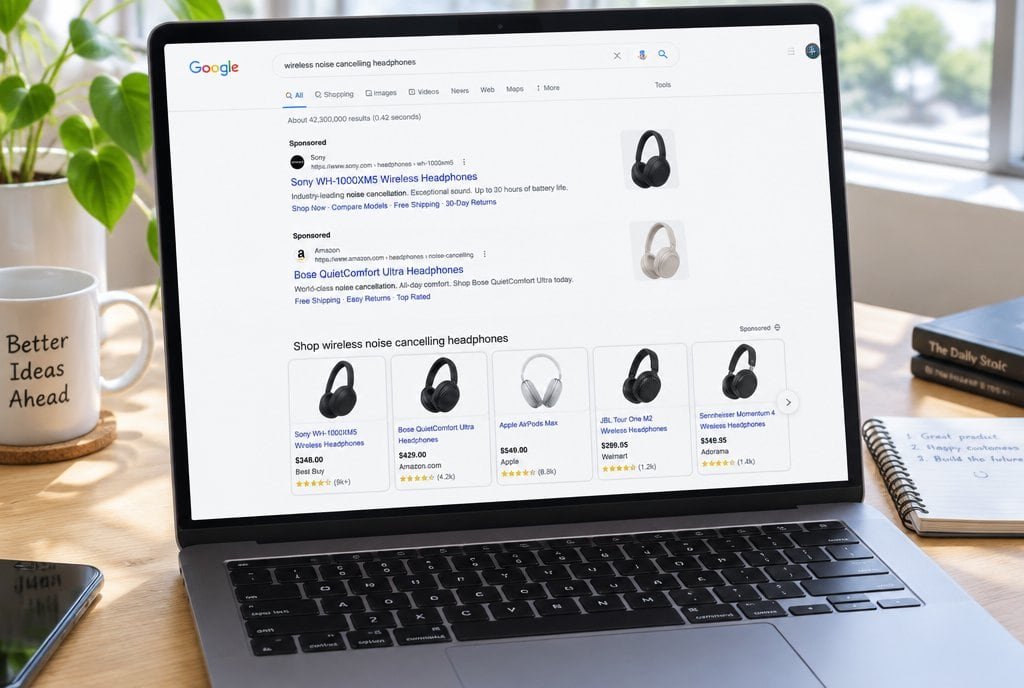
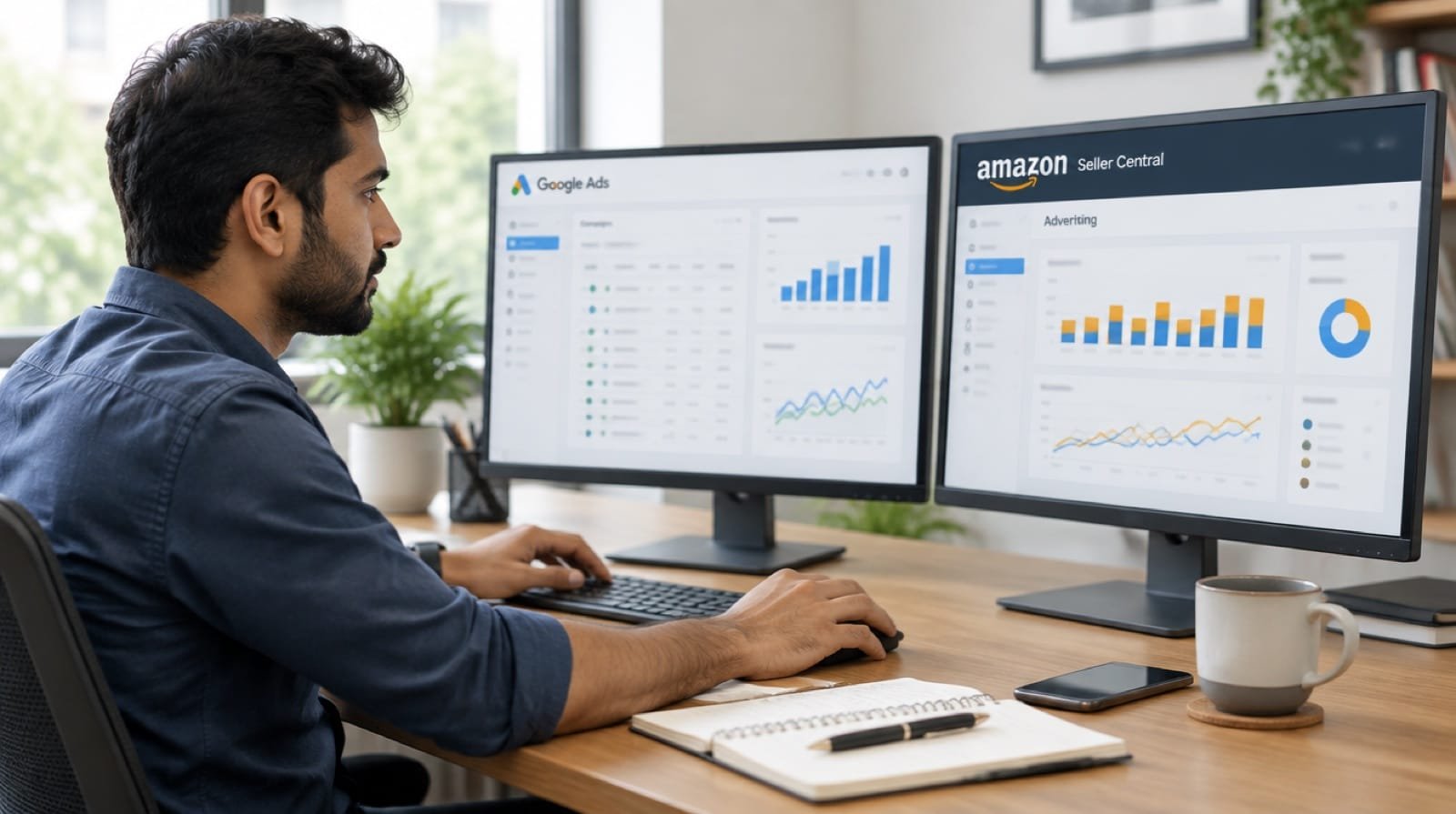
Google Ads management is the work of running paid campaigns on Google Search, Shopping, YouTube and its automated formats, aimed at people already looking for what you sell. MMC runs it for D2C brands and lead-based businesses, and judges results on contribution margin or the cost of a qualified lead, not on what the platform reports.
- Intent first. Search and shopping reach people who are ready to buy or enquire.
- Feeds and assets. Product feeds, ad copy and landing pages written for the query.
- Judged on profit. Not on the conversions Google reports.
Read the full guide
Monday Marketing Company (MMC) runs Google Ads for D2C brands and lead-based businesses, judged on contribution margin or the cost of a qualified lead.
What we do on Google Ads.
Search, Shopping, Performance Max and YouTube, set up around intent and judged on profit.
- Search by intent. Brand, category and competitor searches split so each gets its own bid, message and landing page.
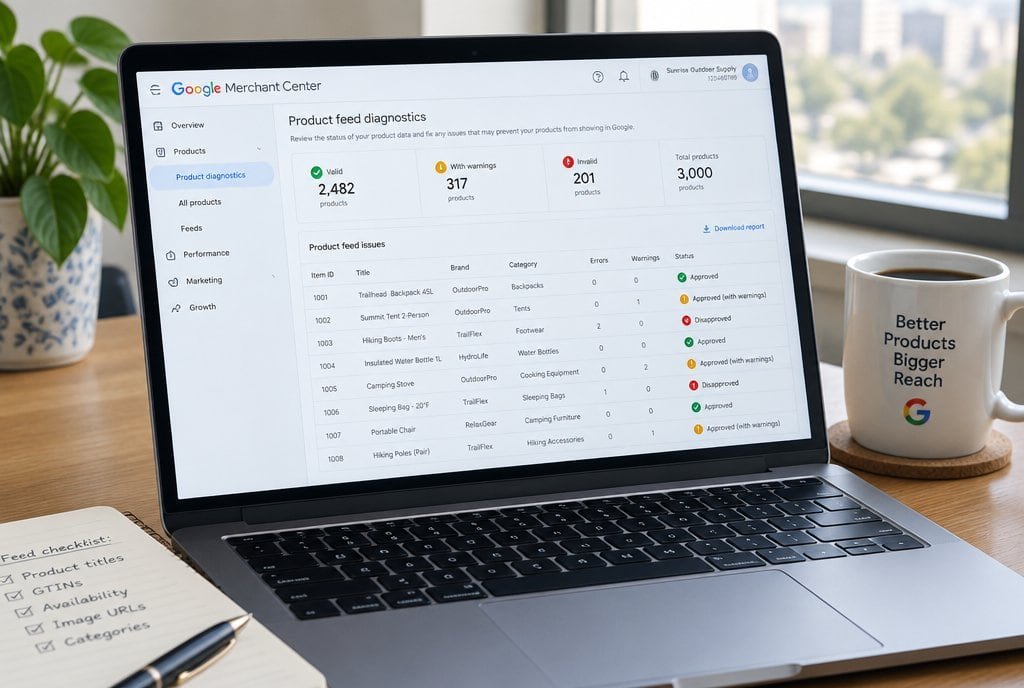
- Shopping feed fixes. Titles, categories and attributes cleaned so the right products show for the right searches.
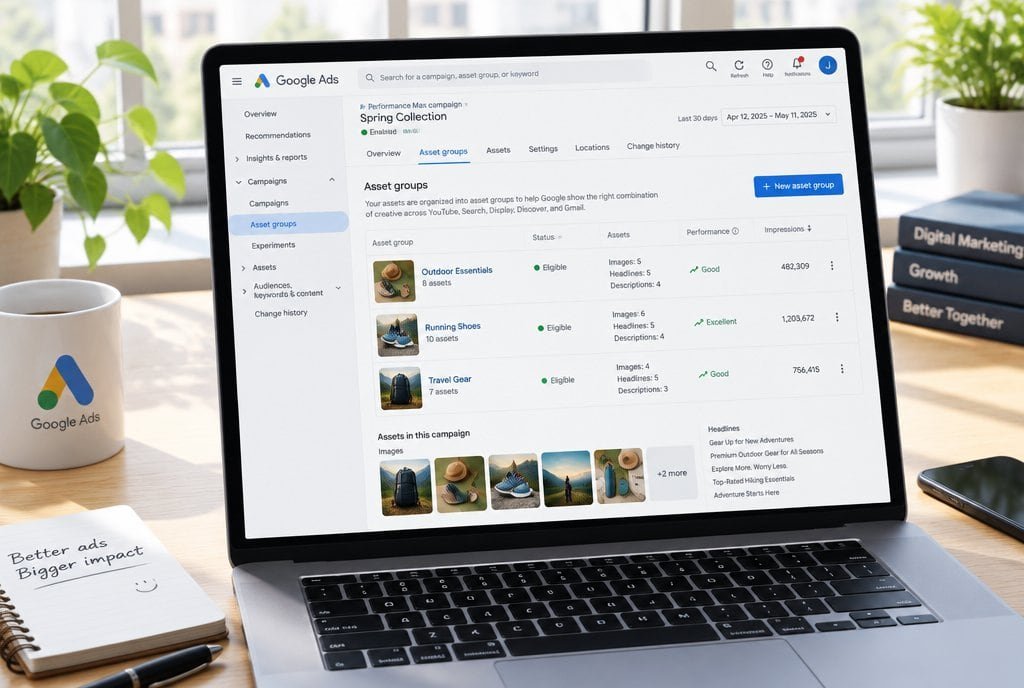
- Performance Max inputs. Assets, audience signals and exclusions that give automation good material to learn from.
- YouTube and Demand Gen. Video and discovery formats that reach people who are still deciding.
- Lead campaigns. Search and call-led campaigns for B2B and education enquiries, tied to a qualified-lead definition.
- Profit reporting. Spend read against margin and total sales, not only the figure Google reports.
Why brands choose MMC for Google Ads
Google rewards good inputs. We spend our time on the inputs.
- Intent first. Campaigns are organised by what the buyer is looking for, which keeps budget off broad, weak searches.
- Feed and landing page care. The product feed and the page a click lands on get as much attention as the ad itself.
- Honest attribution. We read Google next to your store, CRM and other channels so one platform does not claim all the credit.
- Built for every audience. D2C catalogues, B2B lead flows and education admissions each get their own account design.
 Google Ads
Campaigns Three campaign types, one account goal
- SearchSearchEnabled
- ShoppingShoppingEnabled
- Performance MaxPerformance MaxLearning
Search Brand and non-brand kept apart
Non-brand ad group
- Phrase
- Exact
- Phrase
Brand ad group
- Exact
Negative keywords
Shopping Products from your feed
- Eligible
- Eligible
- Was: price mismatchFixed in feed
- Eligible
Performance Max Assets and signalsEnabled
Asset group
Audience signals
Budget follows margin Reports
- SearchSearchEnabled
- ShoppingShoppingBudget up
- Performance MaxPerformance MaxCapped
- ShoppingLow-margin product groupPaused
The work, shown
What we actually do in your Google Ads account.
- 01
Split campaigns by search intent.
Brand, generic and competitor searches get their own campaigns, so each is judged on its own result.
- 02
Cut waste with negative keywords.
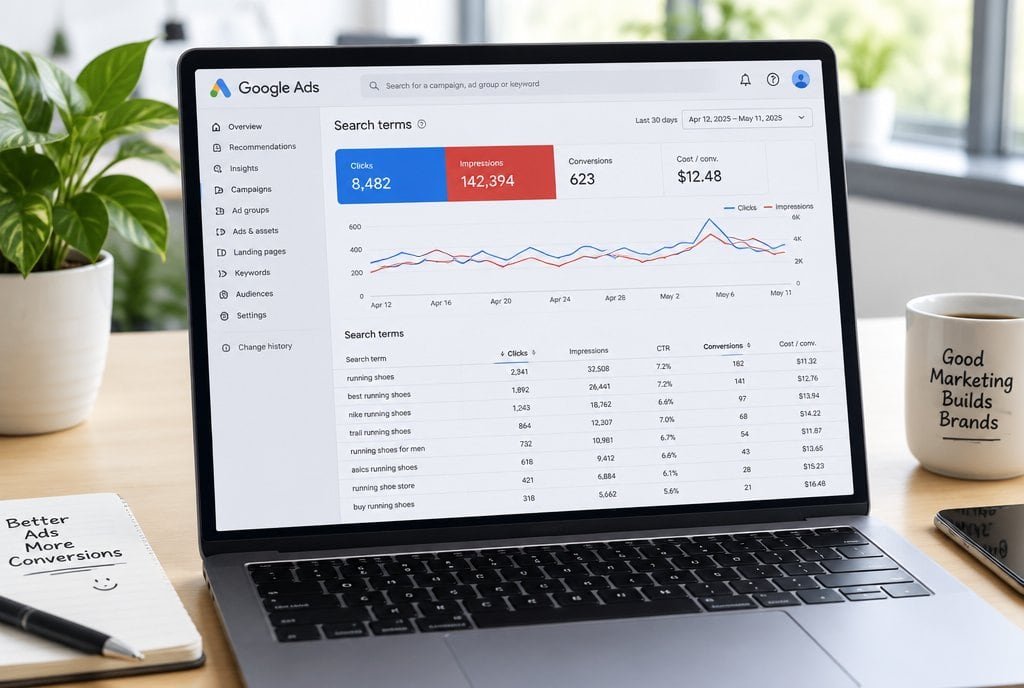
Keywords are grouped by intent and match type, and searches that bring clicks but never a buyer are blocked.
- 03
Fix the product feed.
In Shopping the feed is the ad, so titles, attributes and prices are rewritten for how people search.
- 04
Give Performance Max better inputs.
Strong assets, clear audience signals and accurate conversion data go in, and we check where the spend lands.
- 05
Move budget by margin.
Spend shifts to the campaigns that clear break-even on contribution margin, or on cost per qualified lead.
Where it leaks
Five ways Google spend goes wrong.
Search term reportTap a number to see where it breaks and how we run it.- 1
Search structure
Mixing brand and non-brand searches in one campaign.
Brand searches convert easily and can make a campaign look better than it is, hiding wasted spend on generic terms.
How we run it. We keep brand search separate from generic and competitor searches, and structure campaigns by intent so each can be judged fairly.
- 2
Shopping and product feeds
Uploading a product feed and leaving it alone.
For Shopping, the feed is the ad. Weak titles, missing attributes and wrong prices limit what shows and who clicks.
How we run it. We clean and optimise the feed: titles, attributes, categories and pricing, so the right products show for the right searches.
- 3
Performance Max and automated campaigns
Handing budget to automation with no direction.
Automated campaigns are only as good as the assets, audience signals and conversion data you give them.
How we run it. We feed them strong creative assets, clear audience signals and accurate conversion data, and check where the spend actually goes.
- 4
YouTube and video
Ignoring video, or running it with no follow-up.
Video builds interest before the search, but only pays off if it is joined up with the rest of the account.
How we run it. We use video to reach and warm audiences, and connect it to search and shopping so interest turns into demand.
- 5
Measurement
Trusting the conversions Google reports.
Reported conversions can include low-value actions and repeats, and leave out cost of goods and returns.
How we run it. We set up conversion tracking that matches real business value, and judge campaigns on contribution margin or the cost of a qualified lead.
Selected work
A few of the brands we run Google Ads for.
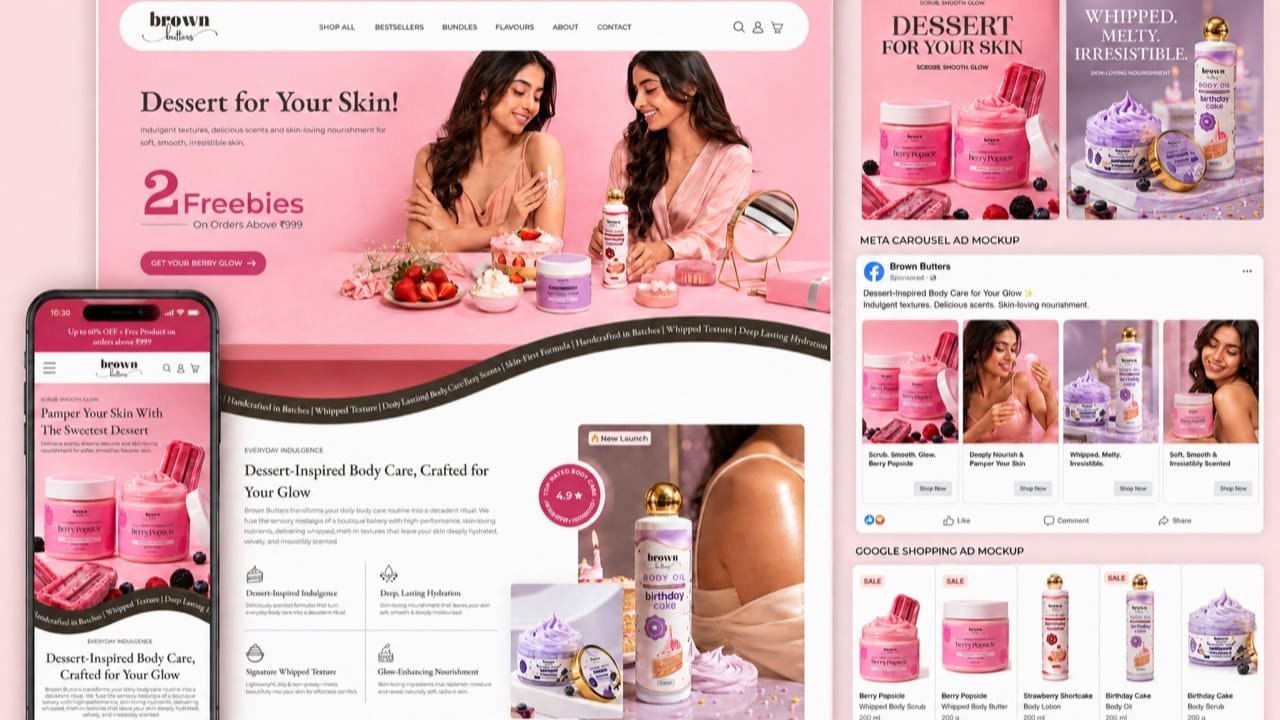
 Body care: Google Shopping ads and Meta carousel ads tied to one storefront.See the work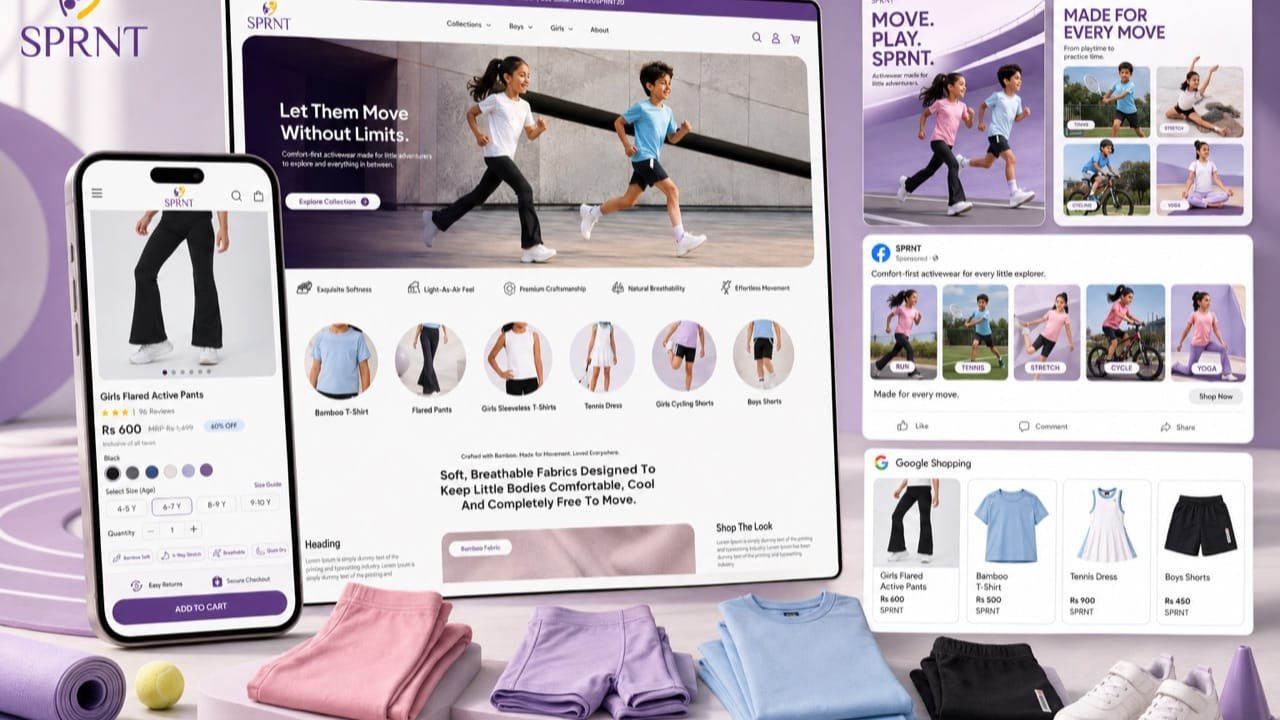
 Kids' activewear: paid ads and the product page planned as one story.See the work
 A D2C brand: paid search, product pages and creative planned together.See the work
A few more. Hover or tap a logo.
What we read
- Break-even ROAS
- The ROAS you need to stop losing money.
- Unit economics
- What each order leaves behind after costs.
- Cost per qualified lead
- What you pay for a lead your team accepts.
- Share of spend on brand search
- How much of the budget goes to people who already know you.
Read against your own costs and margin.
Your first 90 days
How we run Google Ads, week to week.

Days 1 to 30
Audit and split by intent
We separate brand search, non-brand search and shopping so each can be judged fairly, and clean up tracking and the product feed.
You get: An account where every campaign has a clear job.

Days 31 to 60
Fix the inputs
Feeds, ad copy and landing pages are rewritten for the query, and automated campaigns get the assets and signals they need.
You get: Automation that works from good inputs, not guesses.
Days 61 to 90
Judge it on profit and scale
Budget moves to what clears your break-even on contribution margin, or on the cost of a qualified lead for B2B and education.
You get: Spend that follows profit, not reported conversions.
The days show the order of the work, not a promise of results. What we find in your account decides how long each part takes.
Google Ads for brands that are already being searched.
A good fit
People already search for what you sell, and you want that demand captured at a profit.
Search and shopping work best when buyers have intent, so they suit D2C brands, B2B companies with a clear problem to solve, and colleges and schools that families search for (see college admission marketing and education marketing).
Not a fit
You want Google to create demand from nothing, or a guaranteed ranking.
Search captures demand that exists; if nobody is looking yet, other channels or brand work should come first, and we will say so.
Common questions
Questions about Google Ads.
What is Google Ads?
Google Ads management is the work of running paid campaigns across Google Search, Shopping, YouTube and automated formats such as Performance Max, aimed at people already looking for what you sell.
How does Google Ads work with MMC?
We separate brand search from everything else, build search and shopping around intent, fix the product feed, give automated campaigns clean inputs, and review the account every week. Results are judged on contribution margin, not on what a platform reports.
What does Google Ads cost?
Your ad spend is paid to Google and sits outside our fee. We quote our fee after a call, once we have seen the account and agreed what we will run. We do not publish a price list, because the right scope depends on your spend and your margins.
Do you guarantee results?
No. We cannot guarantee clicks, rankings or sales, because demand and competition are outside anyone's control. We commit to a clear structure, accurate tracking and honest reporting.
Who is Google Ads for?
D2C brands that sell products people search for, B2B companies whose buyers search for the problem, and colleges and schools whose families search for courses. Not only D2C. We work with D2C, B2B and education brands, and set the work up differently for each: D2C on contribution margin and repeat purchase, B2B on the cost of a qualified lead, education on enquiries, visits and admissions.
What do you need from us?
Access to your Google Ads and Analytics accounts, your product feed or catalogue, your margins or the value of a qualified lead, and the landing pages you want to use.

Find out where your Google spend really goes.
On a call, with a senior strategist. We read your Google account against your break-even numbers.
Run the numbers, read the method
Tools and guides behind the numbers.
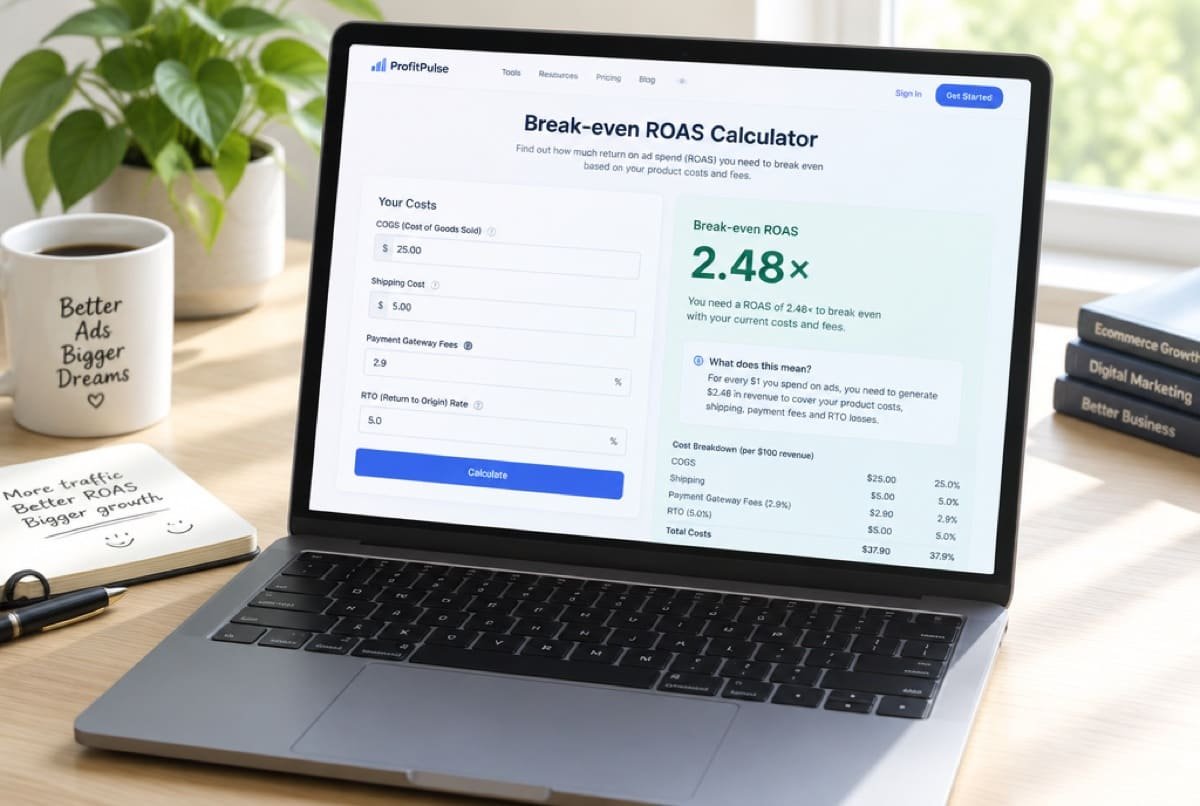 CalculatorBreak-even ROASThe ROAS you need before you start losing money.Open the calculator
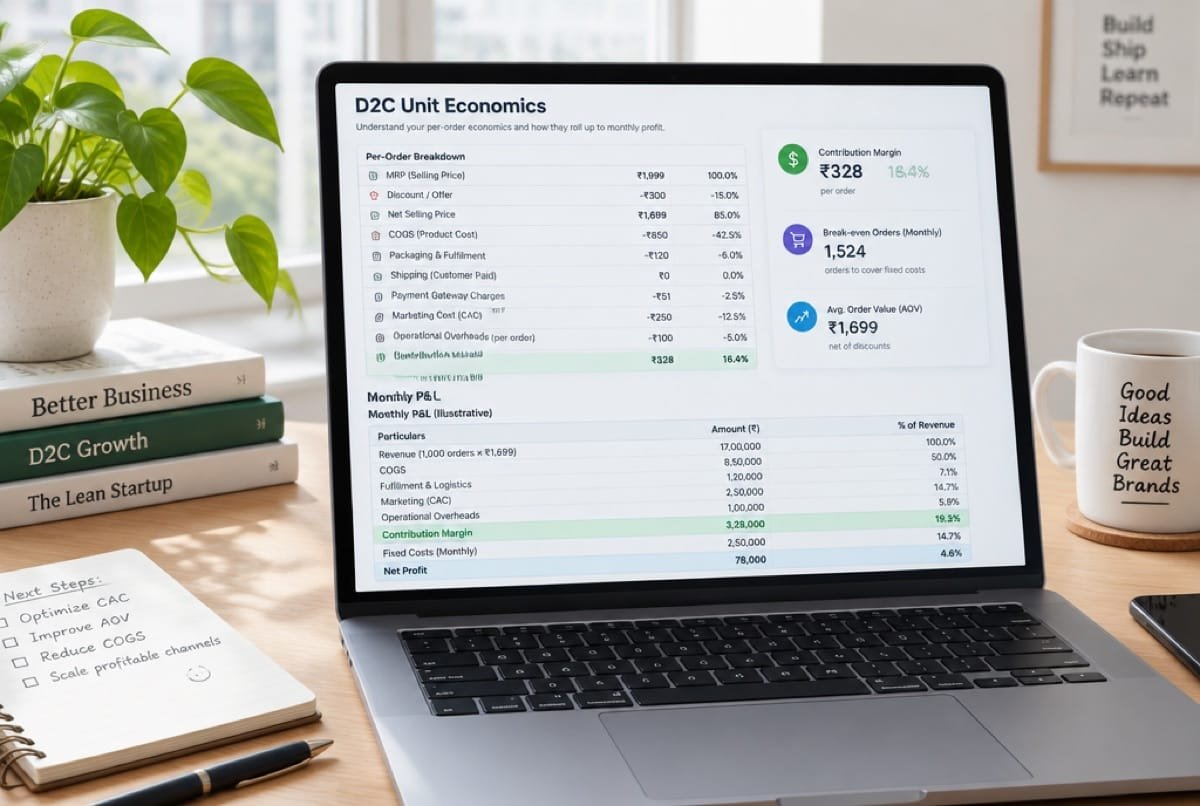 CalculatorUnit economicsWhat one order leaves behind, from CM1 to CM3.Open the calculator
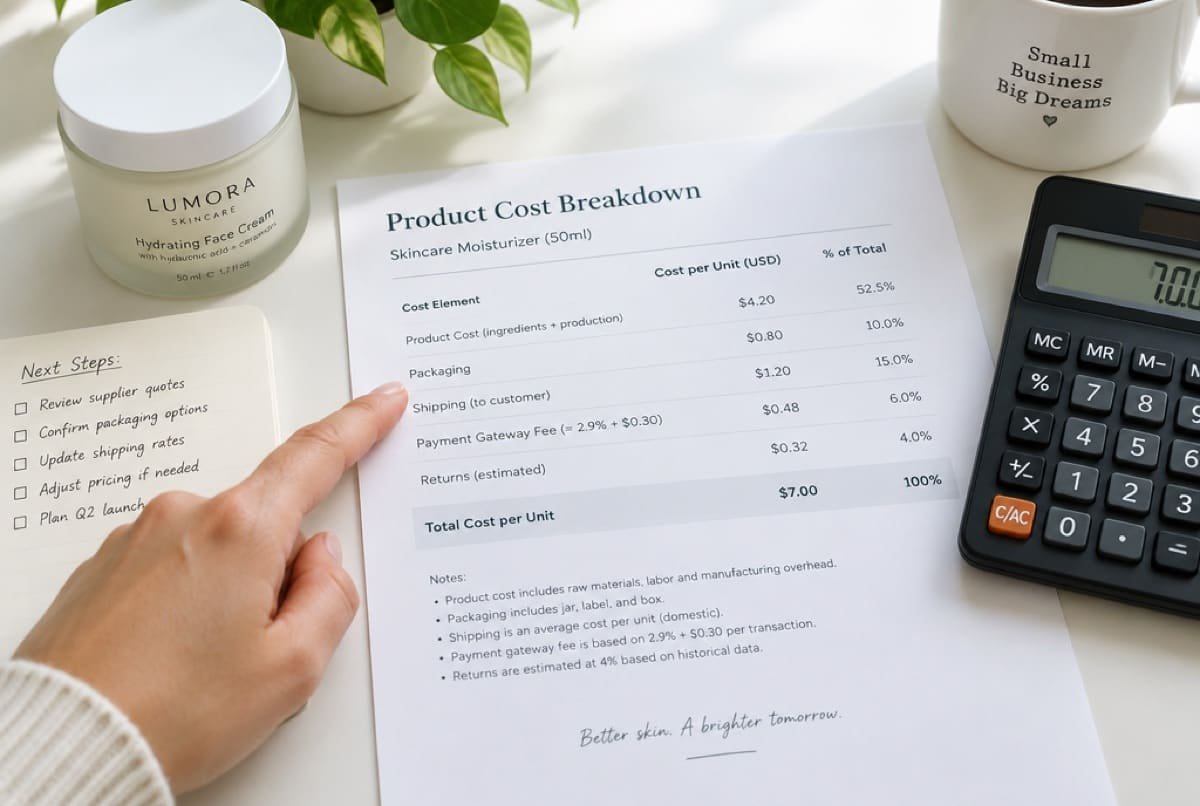 GuideContribution margin and break-even ROASWhat one order leaves behind after product, shipping, fees and returns, and the ROAS a campaign must beat to break even. Includes a calculator for your costs.Read the guide
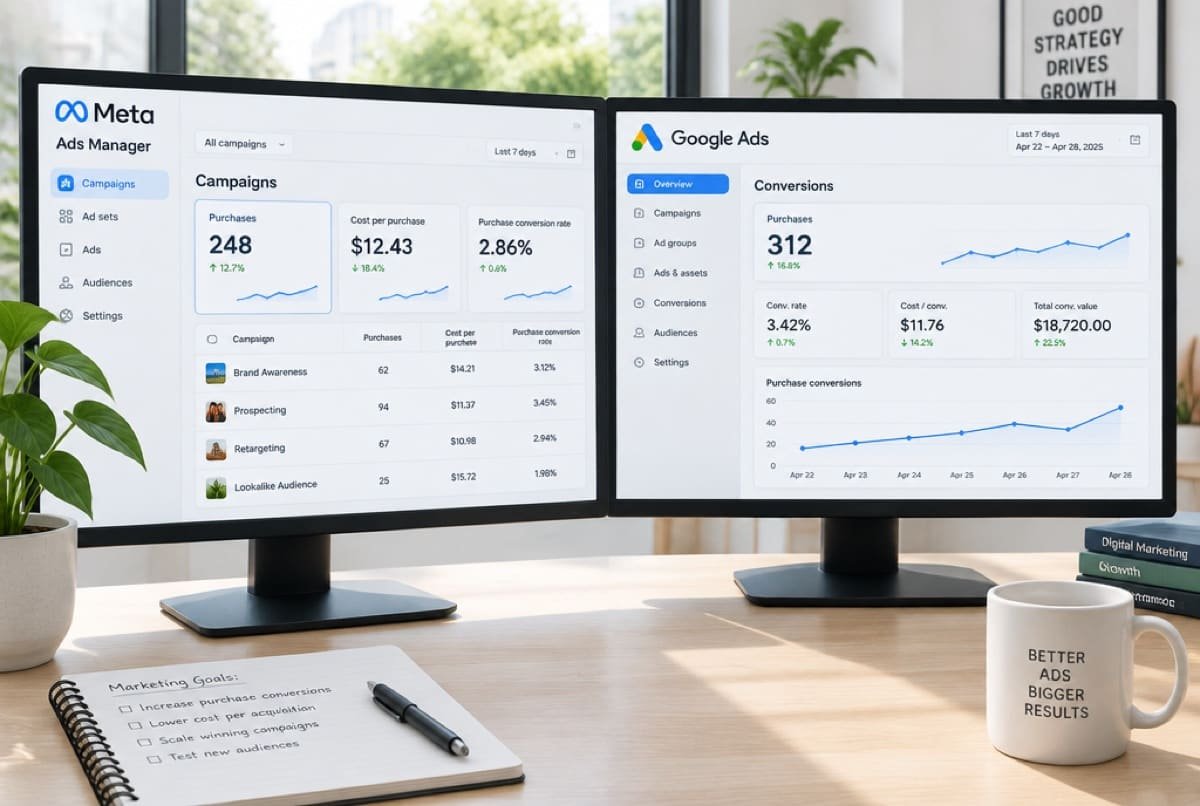 GuideWhy ad dashboards over-count salesMeta, Google and your store each count their own conversions, so the totals never match. Here is why dashboards over-count and how to read results anyway.Read the guide
Ready when you are
Find out where your Google spend really goes.
On a call, with a senior strategist. We read your Google account against your break-even numbers.