Food and beverage marketing for brands people reorder.
Food is a low-basket, repeat-order business. We plan creative, bundles, marketplaces and reminders so each customer is worth more than the shipping.
In short
D2C food and beverage marketing is the work of winning first orders for products with low basket values, then earning reorders quickly. It covers taste-led creative, bundles that lift order value, marketplace and quick commerce presence, and reminders timed to when a pack runs out.
- Taste on screen. Creative that shows taste, texture and use occasions.
- Basket builders. Bundles and trial packs that cover shipping and acquisition.
- Many shelves. Own site, marketplaces and quick commerce, planned together.
Read the full guide
Monday Marketing Company (MMC) markets D2C food and beverage brands in India across creative, own site, marketplaces, quick commerce and retention.
How food and drink gets bought
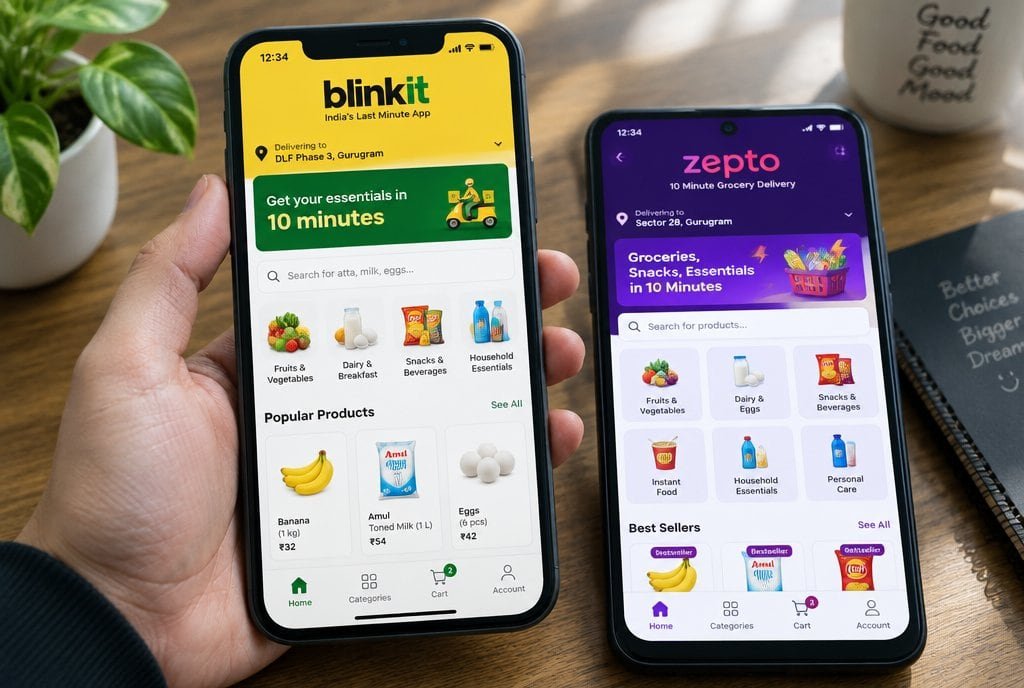
Buyers try a food or drink on impulse or a recommendation, judge it on taste and reorder if it fits a habit. Many shop on quick commerce and marketplaces, where a listing and its availability matter as much as an ad.
Shelf life, packaging and delivery condition also affect trust and returns.
The problem that keeps coming back
A low basket value has to cover product, packing, delivery and acquisition. Many food brands win a first order at a loss and never earn it back.
The fix is order value and reorder: bundles, subscriptions and reminders. We read it with the free tools and the guides.
What we do for food and beverage brands.
Creative, bundles, shelves and reorder flows for D2C food.
- Taste-led video. Short video around taste, texture and occasion.
- Bundles and offers. Basket builders tested against your cost sheet.
- Quick commerce and marketplaces. Listings, availability and ads where buyers shop.
- Performance media. Meta and Google planned on contribution margin.
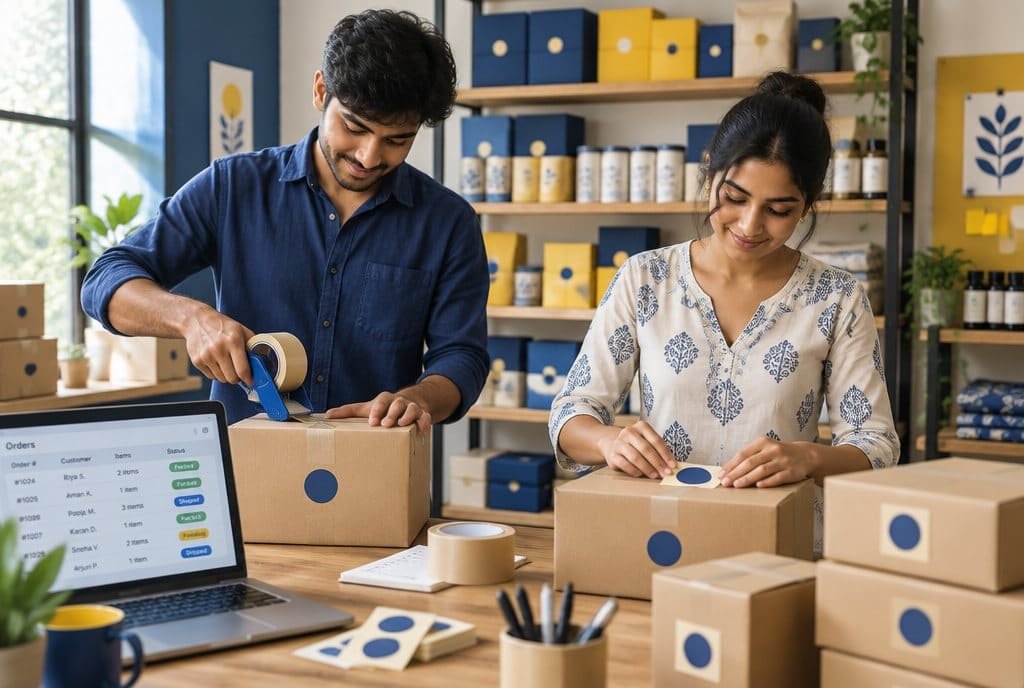
- Packing and pack design. Packs that arrive well and look right on a shelf.
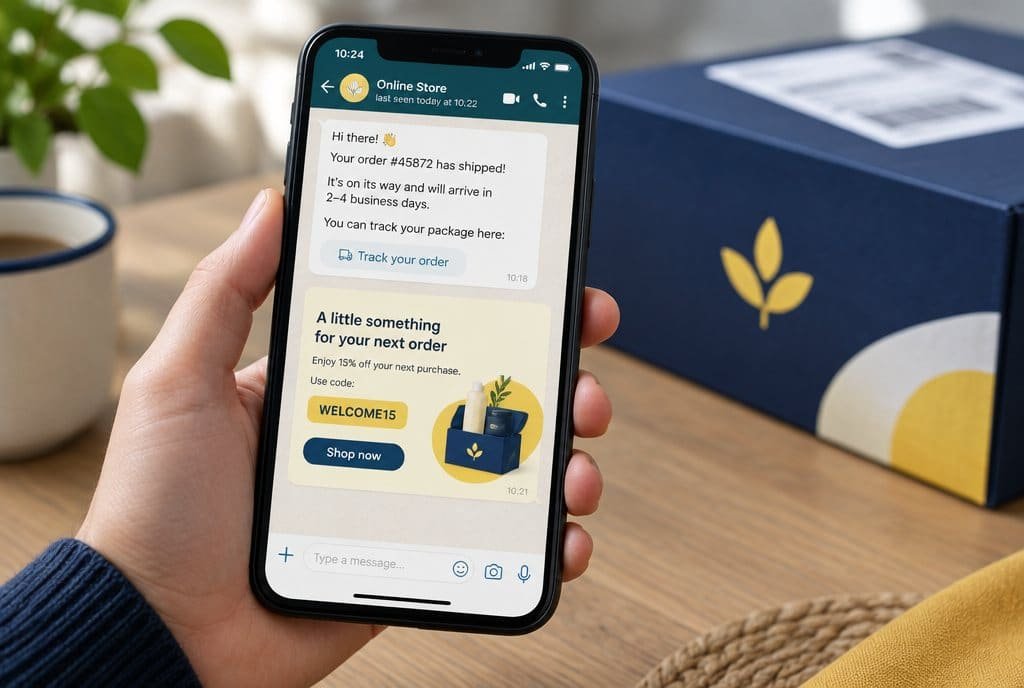
- Reorder flows. Reminders and subscriptions timed to pack size.
Why food and beverage brands choose MMC
We count the whole cost of an order before we scale.
- Full unit economics. Product, packing, delivery and discounts all counted.
- Shelf-aware. Own site, marketplaces and quick commerce planned together.
- Reorder-led. Flows built around when a pack runs out.
- Honest claims. Only what you can document and the rules allow.
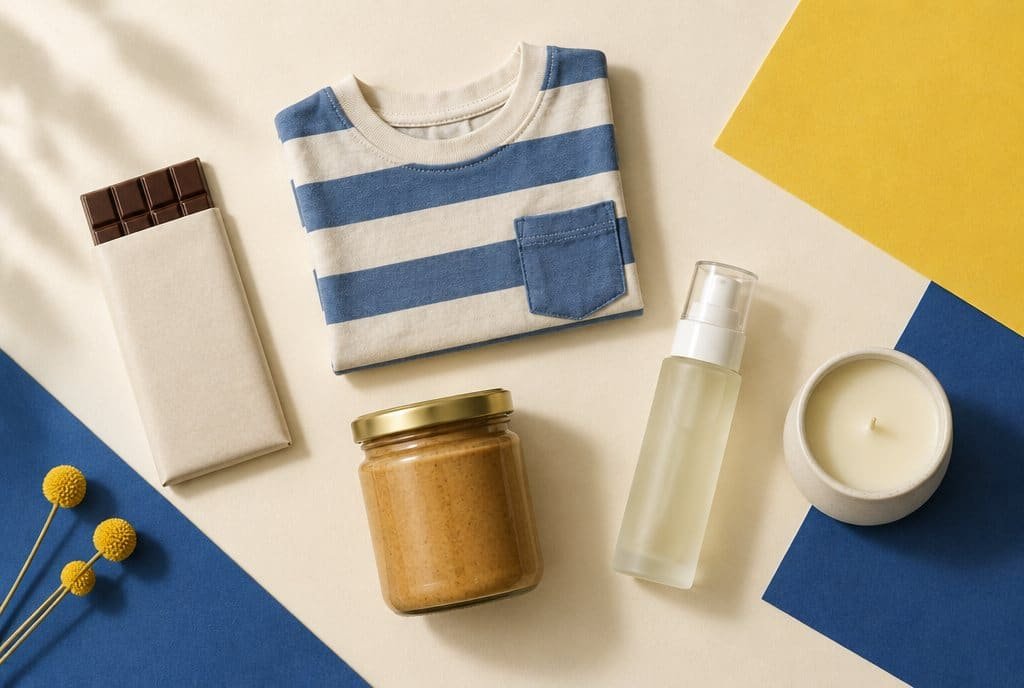
Taste on the tile Bought with the eyes
- Snack barPlain
- Spread jarTaste cue: Creamy
- Packed orderPlain
- Gift boxPlain
Bundles that pay their way Basket, not just click
- Trial pack
- Family pack
- Gift box
Every shelf, one plan Ads follow the stock
 BlinkitLive
 ZeptoLive
 InstamartLow
 AmazonOut
- Own siteLive
What one order leaves Small errors become losses
- Reported ROAS
- Packing and delivery
- Discounts
- Left
Reorder when the pack runs out Habit products keep their habit
 Running low on your favourite? Reorder in one tap.Reorder
Subscription onPause or skip any time
The work, shown
What we actually do for a food brand.
- 01
Re-cut the tile so taste reads in a second.
On a shelf or in an app a pack has a moment to earn a tap, so name, flavour and use come first.
- 02
Build bundles that cover shipping.
Trial packs, family packs and gift boxes lift order value, so one order can pay for acquisition and delivery.
- 03
Be on every shelf buyers use.
Listings, stock and ads are run on quick commerce, marketplaces and your own site as one plan.
- 04
Buy on margin, not on ROAS.
Packing, delivery and discounts come off first, because low baskets turn small errors into losses.
- 05
Time the reminder to the pack.
Reorder flows and subscriptions fire as a pack runs out, so a habit product keeps its habit.
Where it leaks
Five places food and beverage brands lose money.
- 1
Creative and video
Pack shots with no appetite.
Food is bought with the eyes. A plain pack shot does not say how it tastes or when to eat it.
How we run it. We shoot and edit short video around taste, use and occasion. See UGC and video.
- 2
Bundles and offers
Selling one low-price item at a time.
A single low-price order rarely pays for acquisition and shipping.
How we run it. We build bundles, trial packs and thresholds that raise order value without eroding margin. See CRO.
- 3
Quick commerce and marketplaces
Ignoring where buyers already shop.
Many buyers open a quick commerce app or marketplace before a brand site.
How we run it. We run listings, availability and ads there. See quick commerce and Amazon Ads.
- 4
Performance media
Chasing ROAS on a thin margin.
With low baskets, small errors in cost assumptions turn a profitable campaign into a loss.
How we run it. We set targets from full unit economics and run Meta and Google against them.
- 5
Retention
Hoping customers come back.
Food is a habit product. Timing the reminder to when a pack runs out captures reorders.
How we run it. We set reorder flows and subscriptions by pack size. See retention.
Selected work
A few of the food and gifting brands we market.
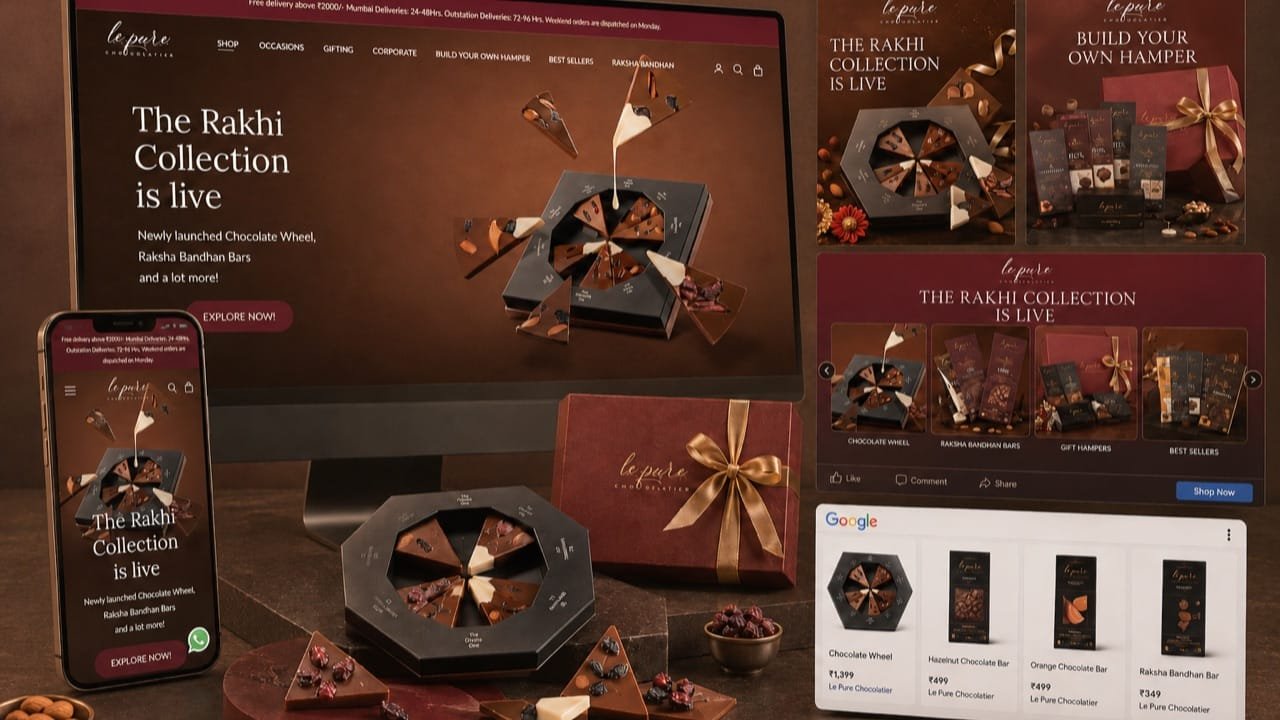
 Chocolate gifting: a store and ads built around a festive collection.See the work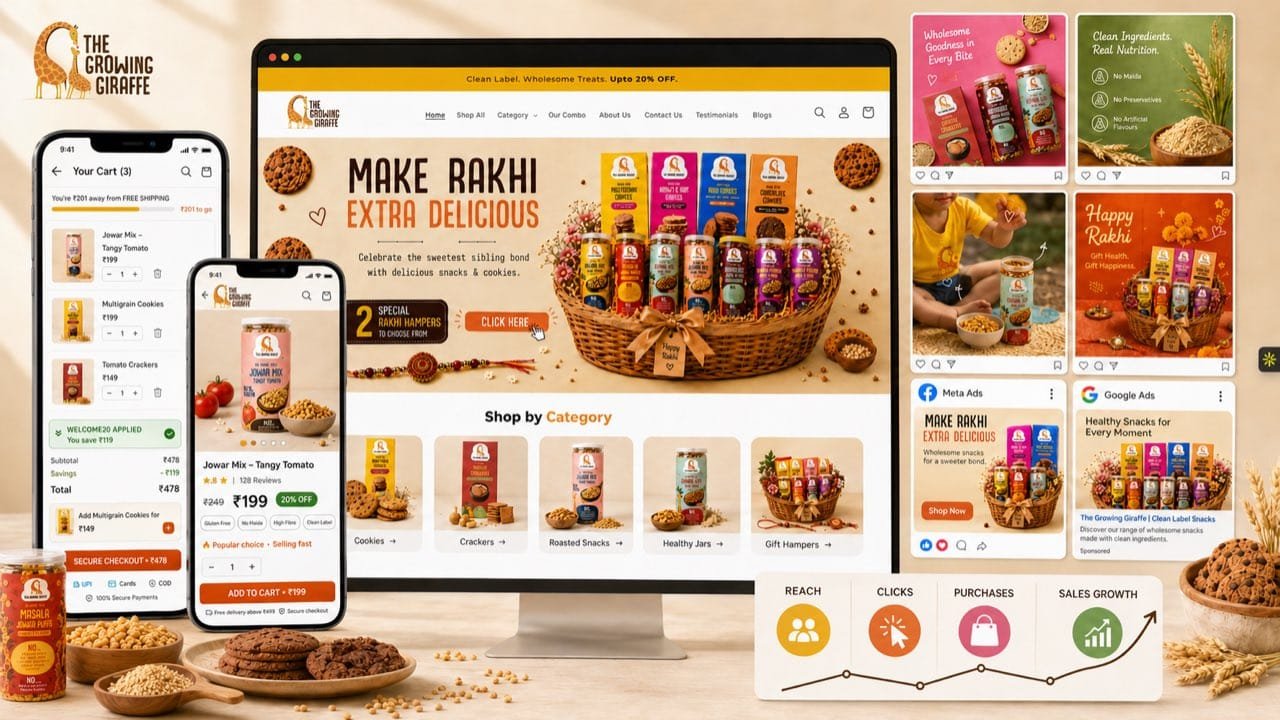
 Snacks and festive gifting: storefront, creative and ads for a gifting push.See the work
A few more. Hover or tap a logo.
What we read
- Contribution margin per order
- What is left after product, packing, delivery and discounts.
- Average order value
- Whether bundles cover shipping and acquisition.
- Reorder rate
- Buyers who order again within their pack's use-up window.
- Availability on shelves
- Whether the product is in stock where buyers search.
The first-order ROAS alone is not on the list.
How the work runs
How we start with a food brand, step by step.

Step 1
Rebuild the economics
We build the full cost per order, review listings and tracking and set margin-based targets.
You get: A clear view of margin.
Step 2
Raise the basket
Bundles, trial packs and thresholds go live with a test plan.
You get: Offers ready to test.
Step 3
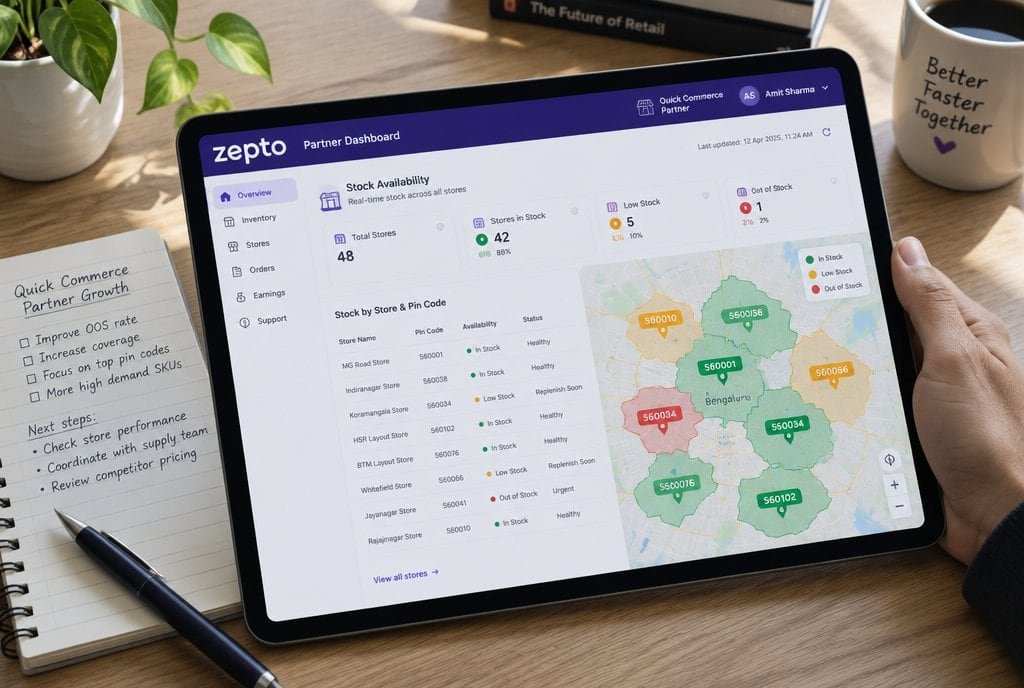
Take the shelf
Listings, availability and ads go live on quick commerce and marketplaces.
You get: Presence where buyers shop.

Step 4
Earn the reorder
Reorder flows and subscriptions start and media follows margin.
You get: A funnel that includes reorders.
The steps show the order of the work, not a promise of results. What we find in your account decides how long each part takes.
Food and beverage marketing for brands that sell by habit.
A good fit
You sell a food or drink in India online and want orders that repeat and pay for themselves.
We plan around order value, shelves and reorder timing.
Not a fit
You want one cheap-click campaign to carry the business.
Low baskets need a funnel, not a single campaign.
Common questions
Questions about food and beverage marketing.
How is food and beverage marketing different?
Baskets are low, reorders drive the economics, buyers shop on quick commerce and marketplaces, and shelf life and delivery condition affect trust.
Can you help with quick commerce?
Yes. We work on listings, availability and ads. See quick commerce.
How do you raise order value?
With bundles, trial packs and shipping thresholds set against your cost sheet, so the lift does not cost margin.
Can you make health claims?
Only claims you can document and that labelling and advertising rules allow. We do not invent them.
Do you set up subscriptions?
Where it suits the product, yes, along with reorder reminders. See retention marketing.
What does it cost?
A monthly scope, agreed after a call and written down so you can see what each month covers. We do not publish a price list because the right scope depends on your brand, your market and how much you want done.
Can you guarantee growth?
No. Nobody can honestly guarantee a result or a timeline, and platforms change. We commit to the work in the scope, honest tracking and reporting on the numbers that matter.

Make each food order worth more than shipping.
On a call, with a senior strategist. We rebuild your unit economics and show where basket and reorder can improve.
Run the numbers, read the method
Tools and guides behind the numbers.
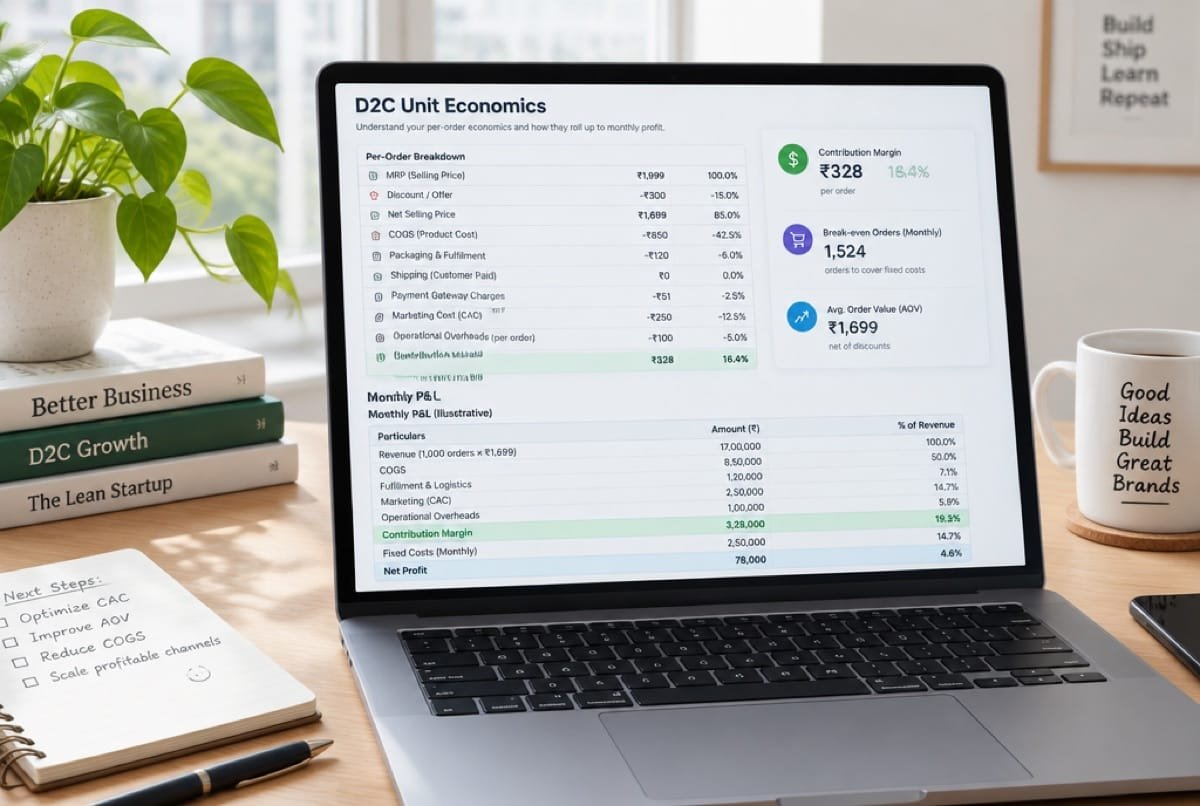 CalculatorUnit economicsWhat one order leaves behind, from CM1 to CM3.Open the calculator
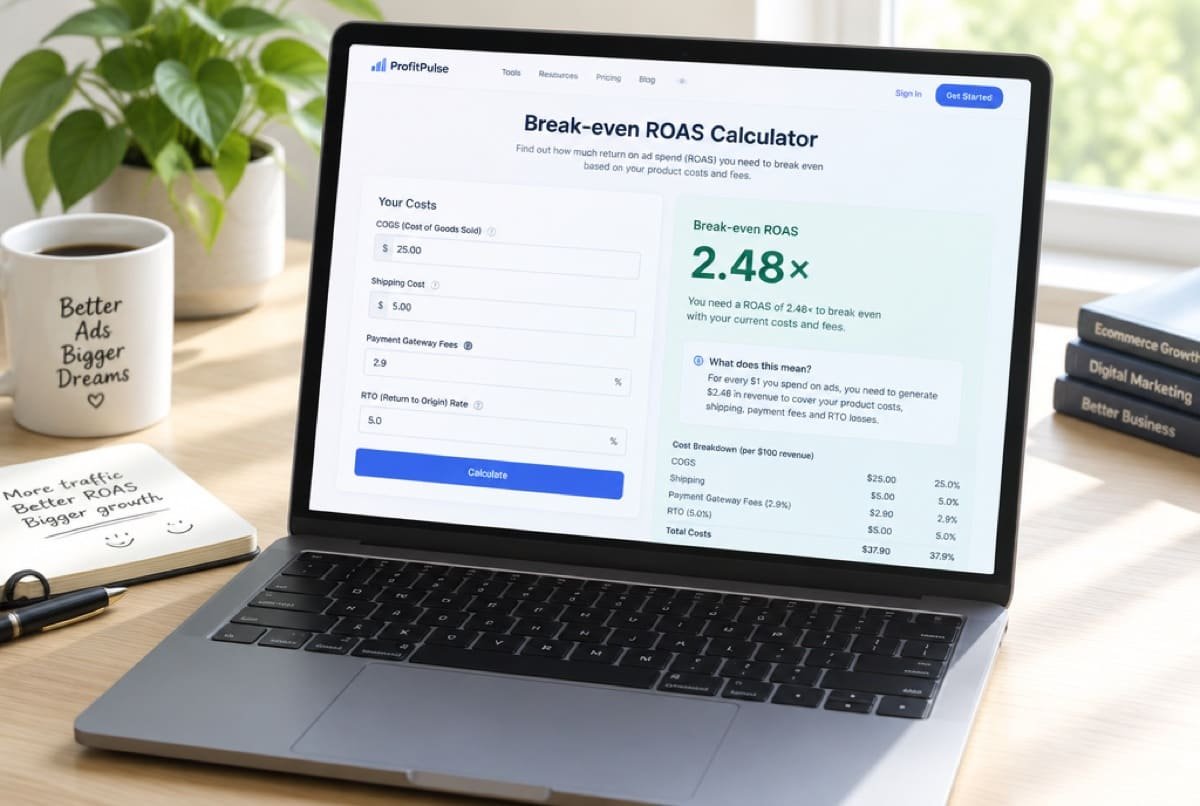 CalculatorBreak-even ROASThe ROAS you need before you start losing money.Open the calculator
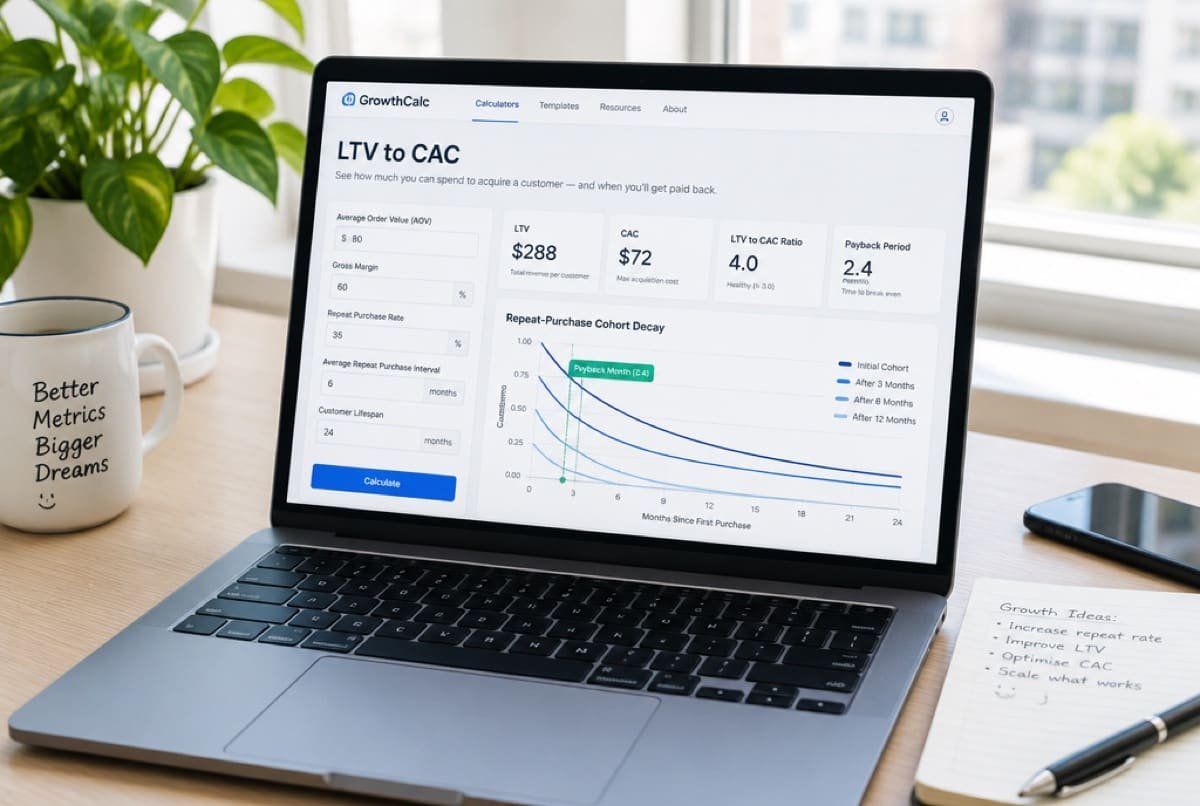 CalculatorLTV:CACWhat a customer is worth and how fast you recover it.Open the calculator
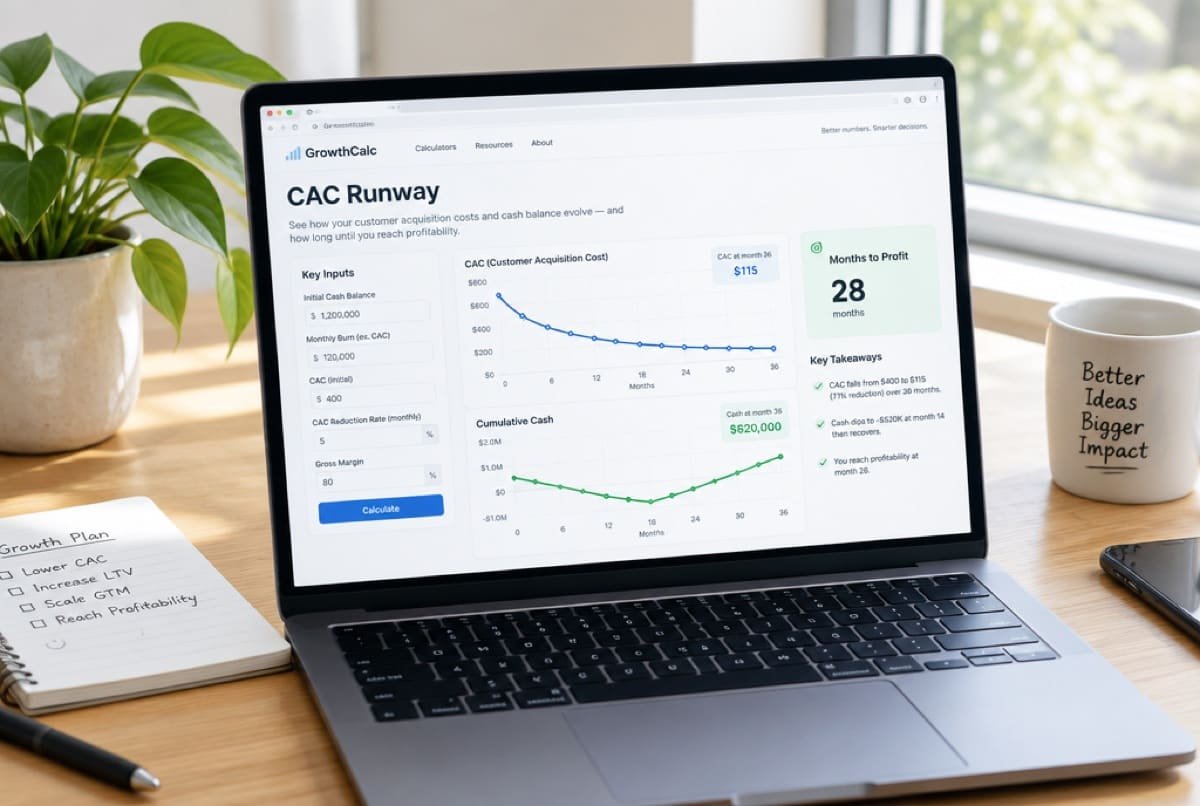 CalculatorCAC runwayHow long a new brand burns before it turns.Open the calculator
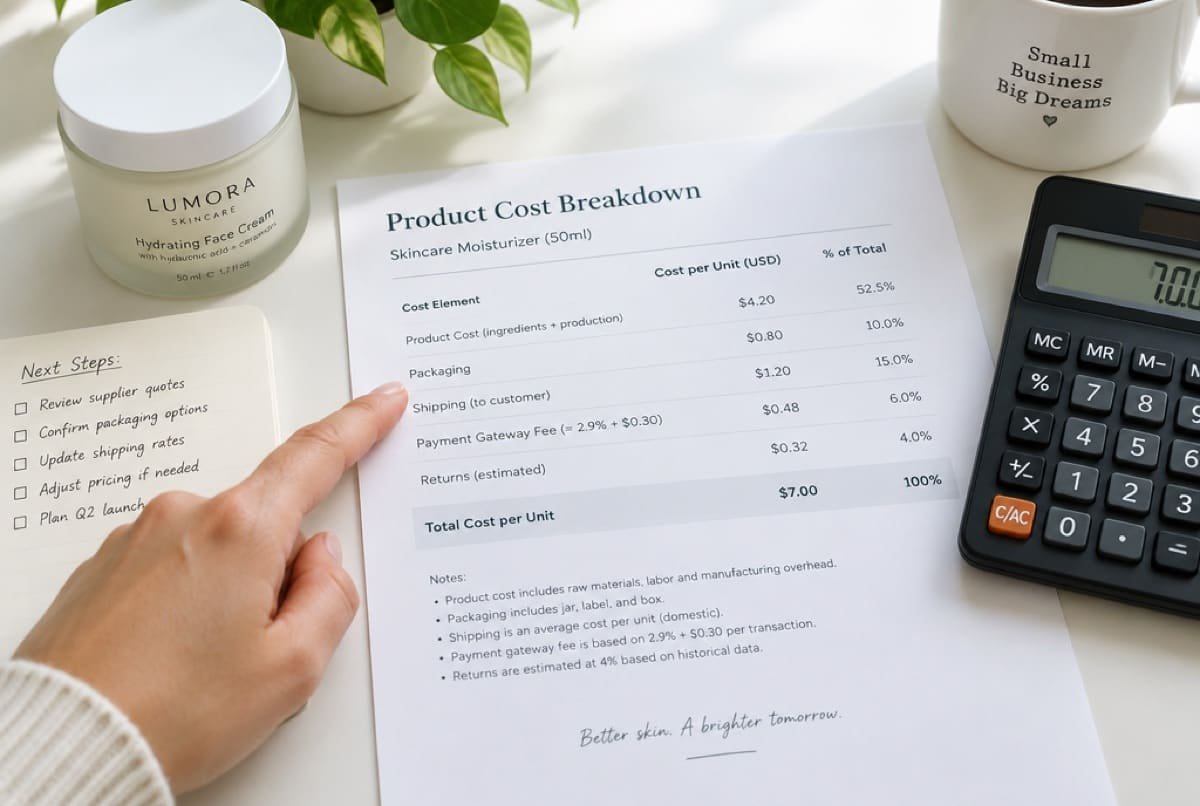 GuideContribution margin and break-even ROASWhat one order leaves behind after product, shipping, fees and returns, and the ROAS a campaign must beat to break even. Includes a calculator for your costs.Read the guide
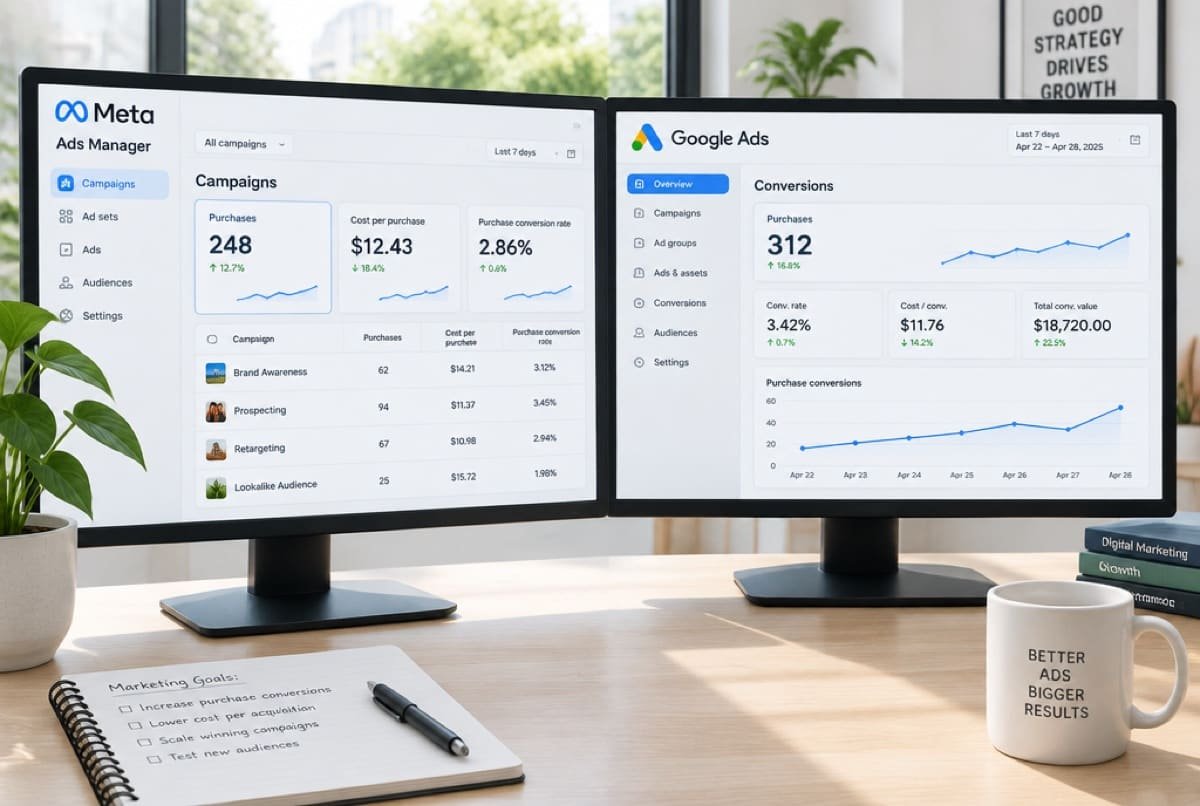 GuideWhy ad dashboards over-count salesMeta, Google and your store each count their own conversions, so the totals never match. Here is why dashboards over-count and how to read results anyway.Read the guide
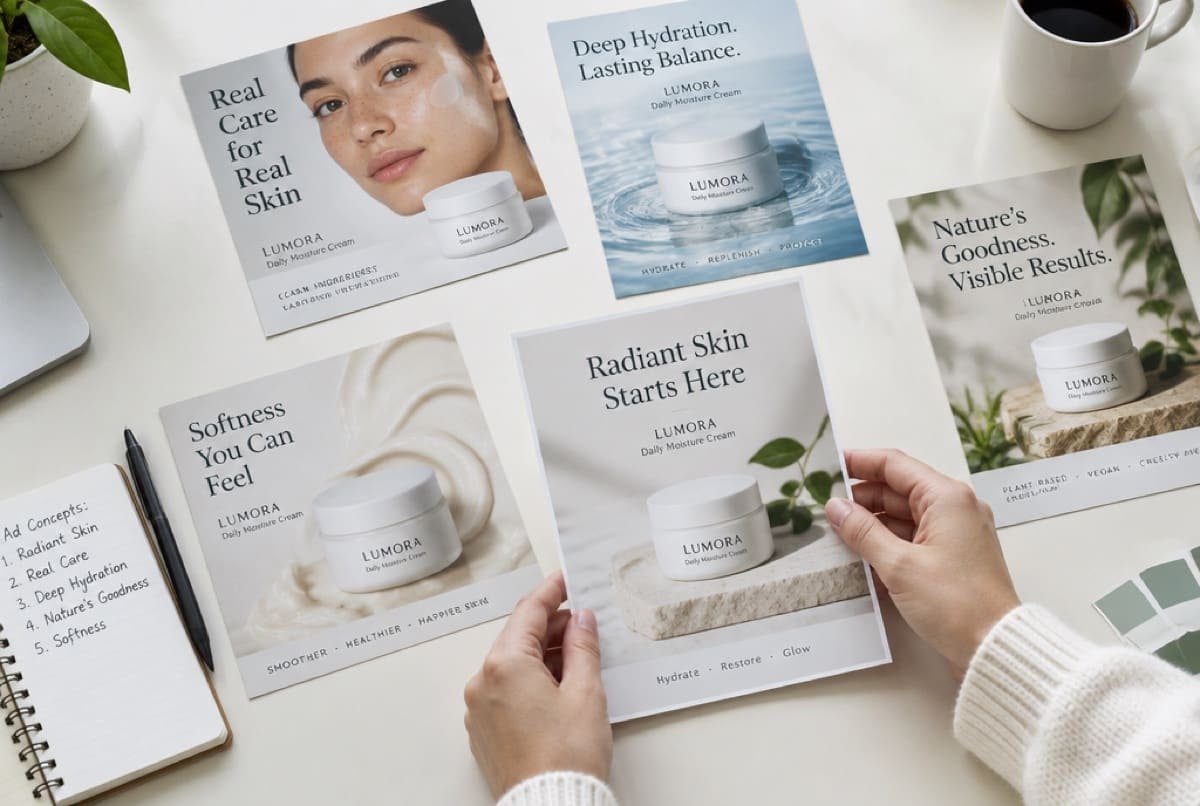 GuideHow D2C brands test ad creativeA repeatable way to test hooks and angles, read the results against your break-even ROAS and refresh creative before ads tire. Written for D2C brands.Read the guide
Ready when you are
Make each food order worth more than shipping.
On a call, with a senior strategist. We rebuild your unit economics and show where basket and reorder can improve.