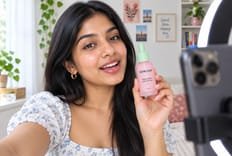
Skincare marketing that earns trust and repeat orders.
Skincare buyers research ingredients, read reviews and reorder on a cycle. We plan creative, paid media and retention around that path.





In short
D2C skincare marketing is the work of winning buyers who research ingredients and skin concerns, convincing them with honest proof, and bringing them back when a product runs out. It is judged on contribution margin and repeat purchase rather than on the first order alone.
- Concern-led. Content and ads start from the skin concern and the ingredient.
- Proof that holds. Real reviews and routines, written inside platform policy.
- Built to reorder. Replenishment timing brings buyers back when a pack runs out.
Read the full guide
Monday Marketing Company (MMC) markets D2C skincare brands in India across creative, performance media, search and retention.
How skincare buyers decide
A skincare buyer usually starts with a concern, reads about ingredients, checks reviews and compares a few brands before ordering. They are cautious about claims and sensitive to anything that feels exaggerated.
Ad platforms also limit how skin results and before-and-after imagery can be shown, so the creative has to earn trust without overpromising.
The problem that keeps coming back
Acquisition is expensive and the first order rarely pays back alone. The profit sits in the second and third order, so a brand that does not plan replenishment and retention keeps paying to find the same customers again.
We read this with the free tools and the guides, then plan the funnel from the numbers.
What we do for skincare brands.
Content, creative, media and retention for D2C skincare.
- Ingredient and concern content. Guides and pages that answer what buyers search.
- Creator and routine video. Real use shown on camera, edited for ads and product pages.
- Performance media. Meta and Google planned against contribution margin.
- Product page and review work. Proof, routine and reviews placed where doubt arises.
- Packaging and unboxing. Pack and unboxing considered as a marketing moment.
- Replenishment flows. Email and WhatsApp timed to the use-up cycle.
Why skincare brands choose MMC
We start from the numbers and keep the claims honest.
- Margin-first planning. We target contribution margin, not ROAS alone.
- Honest creative. Real routines and voices, inside platform policy.
- One team across the funnel. Search, creative, media, pages and retention together.
- Repeat-purchase focus. The second order is planned from day one.
Search the concern Buyers read before they buy
- yourbrand.example › guidesWhat to look for in a serum for dull skin
- shop.example
- forum.example
A routine on camera Real use, real texture, no cure claims
- Texture
- How to use
- In the routine
Shows useInside platform rulesNo cure claims
One order, after everything Targets come from what is left
- Order value
- Product
- Shipping
- Returns
- Discount
- Left
The page settles the doubt Ingredients, routine and reviews
Reorder before it runs out Timed to the pack, not the calendar
- Ships
- In use
- Running low
 Your serum may be running low. Reorder in one tap.Reorder
The work, shown
What we actually do for a skincare brand.
- 01
Answer the skin concern before a rival does.
Ingredient and concern guides sit where buyers search, so the first thing they read is yours.
- 02
Film a real routine, inside platform rules.
Creators show texture and use. We leave out cure claims and anything we cannot document.
- 03
Set targets from what one order leaves.
Product, shipping, returns and discounts come off first. Media is bought against contribution margin, not ROAS.
- 04
Let the product page settle the doubt.
Ingredients, how to use, who it suits and honest reviews sit where the buying decision is made.
- 05
Remind buyers when the pack runs low.
Email and WhatsApp reminders follow the pack's use-up time, so the second order does not go to a rival.
Where it leaks
Five places skincare brands lose money.
- 1
Search and content
Only advertising to people who already know the brand.
Buyers search the concern and ingredient first. If you are absent there, a competitor teaches them.
How we run it. We build ingredient and concern content and search campaigns that answer the question. See SEO.
- 2
Creative and creators
Polished ads that feel unreal.
Shoppers trust real routines and real voices more than studio gloss.
How we run it. We brief creators and edit video that shows use, texture and routine inside platform rules. See UGC and video.
- 3
Performance media
Scaling on ROAS alone.
A good-looking ROAS can hide discounts, returns and shipping that leave little margin.
How we run it. We set targets from contribution margin and run Meta and Google against them.
- 4
Product pages and reviews
Product pages with no proof or routine.
The page is where doubt is settled: ingredients, how to use, who it suits and what others say.
How we run it. We improve product pages, review display and the path to checkout. See CRO.
- 5
Retention
Waiting for customers to return on their own.
A skincare product has a use-up time. A well-timed reminder can capture the reorder.
How we run it. We build email and WhatsApp flows around replenishment and routine. See retention.
How the work runs
How we start with a skincare brand, step by step.

Step 1
Read the economics
We rebuild unit economics, review creative and tracking and set margin-based targets.
You get: A cost sheet and a plan.

Step 2
Build the proof
Creator content and ingredient guides go into production, inside platform rules.
You get: Creative ready to test.

Step 3
Fix the product page
Ingredients, routine and reviews move to where the doubt is settled, and a test plan goes live.
You get: A product page that proves.
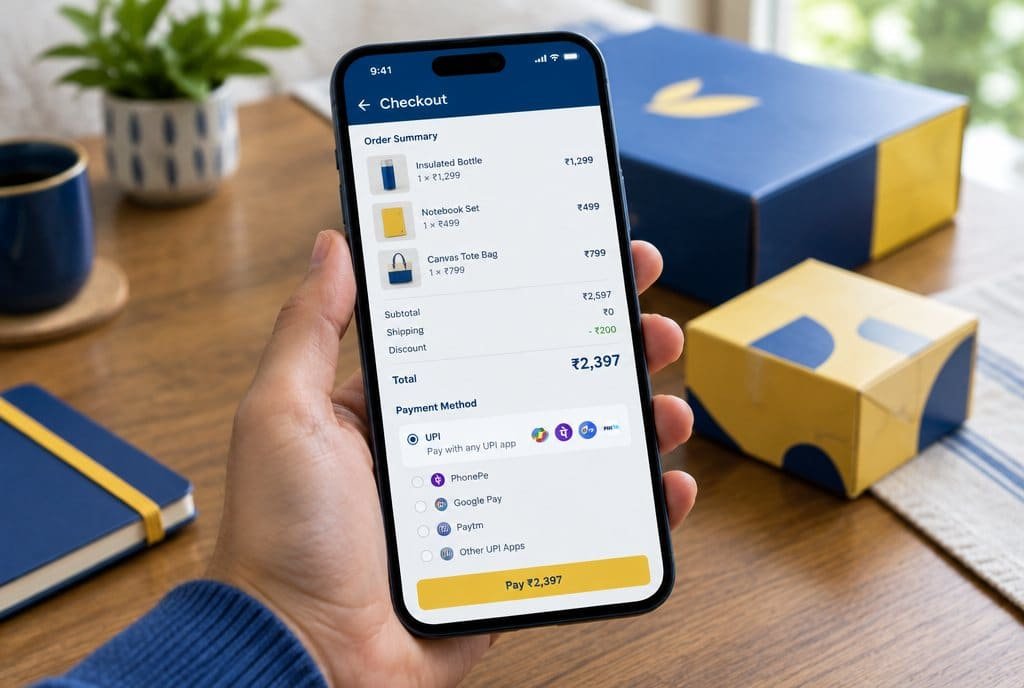
Step 4
Add the reorder
Replenishment reminders start and scaling follows margin.
You get: A funnel that includes the second order.
The steps show the order of the work, not a promise of results. What we find in your account decides how long each part takes.
Skincare marketing for brands that want repeat customers.
A good fit
You sell skincare in India online, and you want growth that survives discounts and returns.
We plan around contribution margin, replenishment and honest claims.
Not a fit
You want guaranteed skin-result claims in ads.
Platform rules and honest practice prevent it, and we would not run it.
Common questions
Questions about skincare marketing.
How is skincare marketing different from other D2C?
Buyers research ingredients and concerns, trust is fragile, claims are restricted and the product runs out on a cycle. That makes content, proof and replenishment more important than in many categories.
Can you promise skin results in ads?
No, and we would not. Platforms restrict health and result claims, and honest creative holds up better. We write inside the rules and your regulatory position.
Do you work with creators and dermatologists?
We brief and edit creator content. If you work with qualified professionals, we feature them accurately. We do not invent endorsements.
How do you handle repeat purchase?
We time reminders to the product's use-up window, build email and WhatsApp flows and track reorder rate as a core number. See retention marketing.
Do you also work on marketplaces?
Yes, where the brand sells there. See Amazon Ads and quick commerce.
What does skincare marketing cost?
A monthly scope, agreed after a call and written down so you can see what each month covers. We do not publish a price list because the right scope depends on your brand, your market and how much you want done.
Can you guarantee growth?
No. Nobody can honestly guarantee a result or a timeline, and platforms change. We commit to the work in the scope, honest tracking and reporting on the numbers that matter.

Plan skincare marketing around margin and reorder.
On a call, with a senior strategist. We read your unit economics and say where skincare spend is likely leaking.
Run the numbers, read the method
Tools and guides behind the numbers.
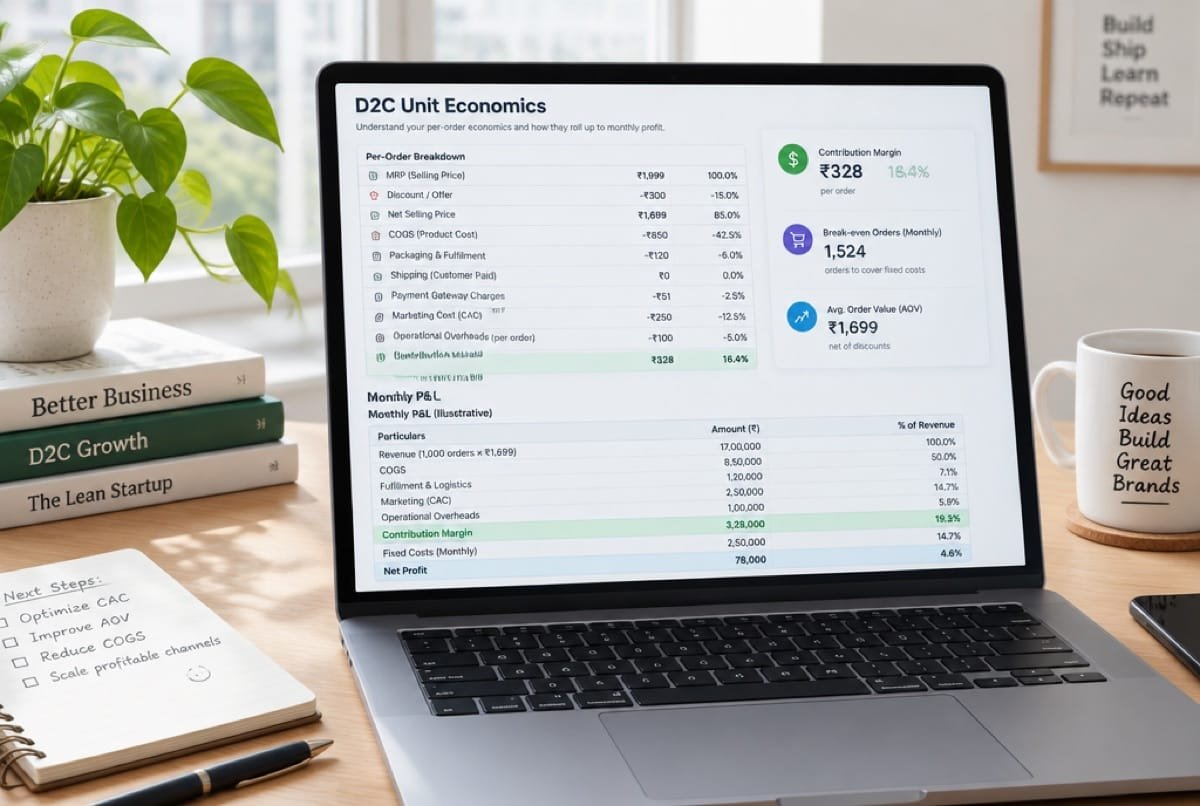 CalculatorUnit economicsWhat one order leaves behind, from CM1 to CM3.Open the calculator
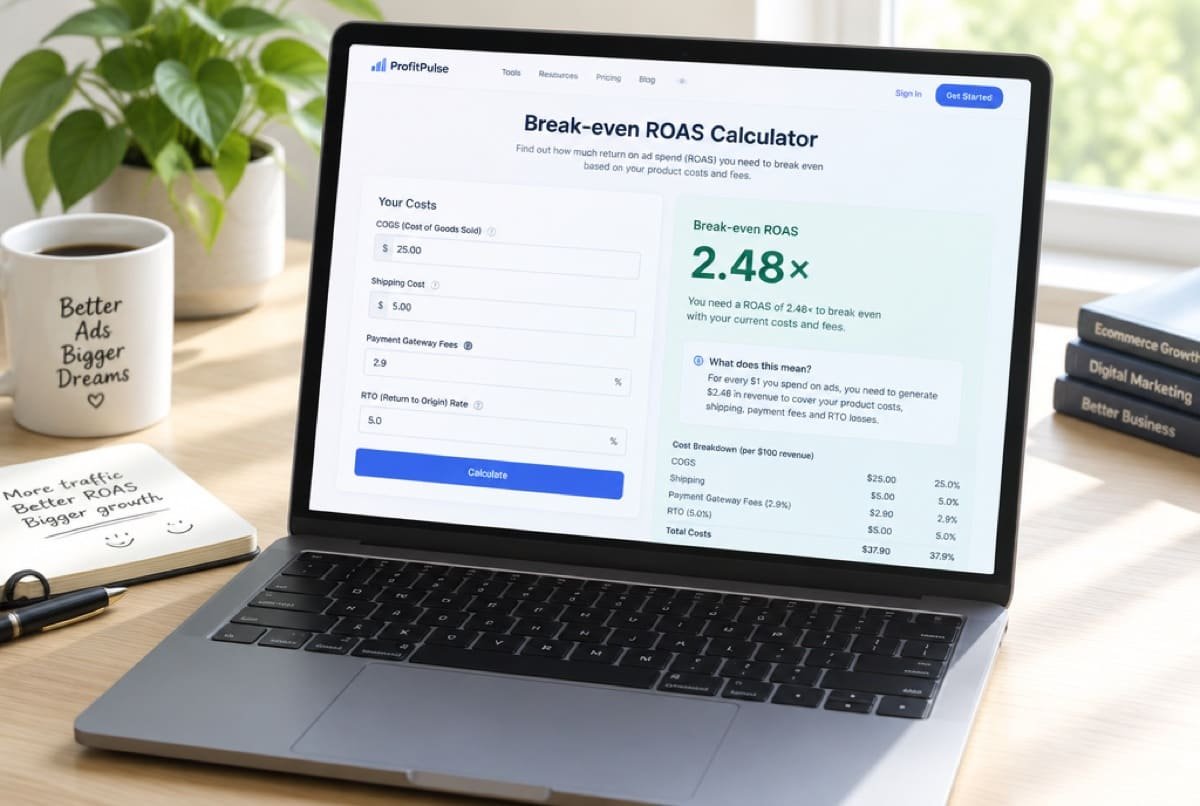 CalculatorBreak-even ROASThe ROAS you need before you start losing money.Open the calculator
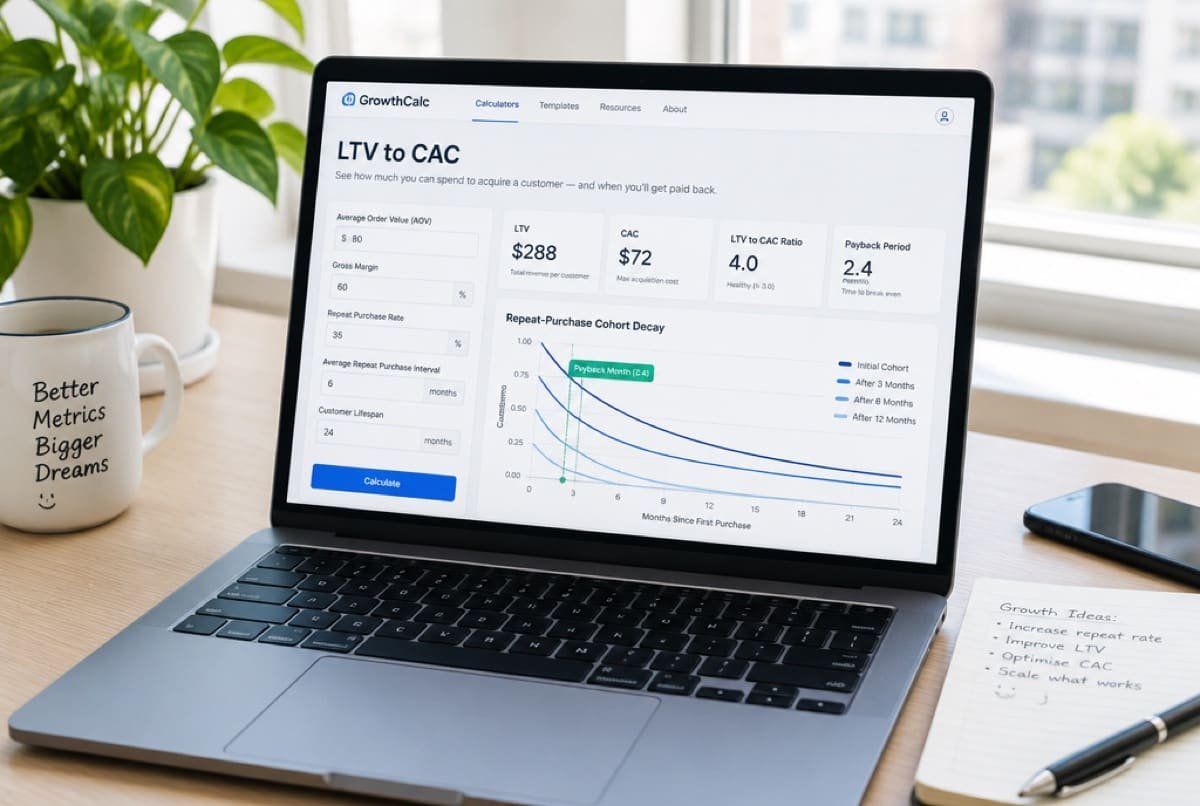 CalculatorLTV:CACWhat a customer is worth and how fast you recover it.Open the calculator
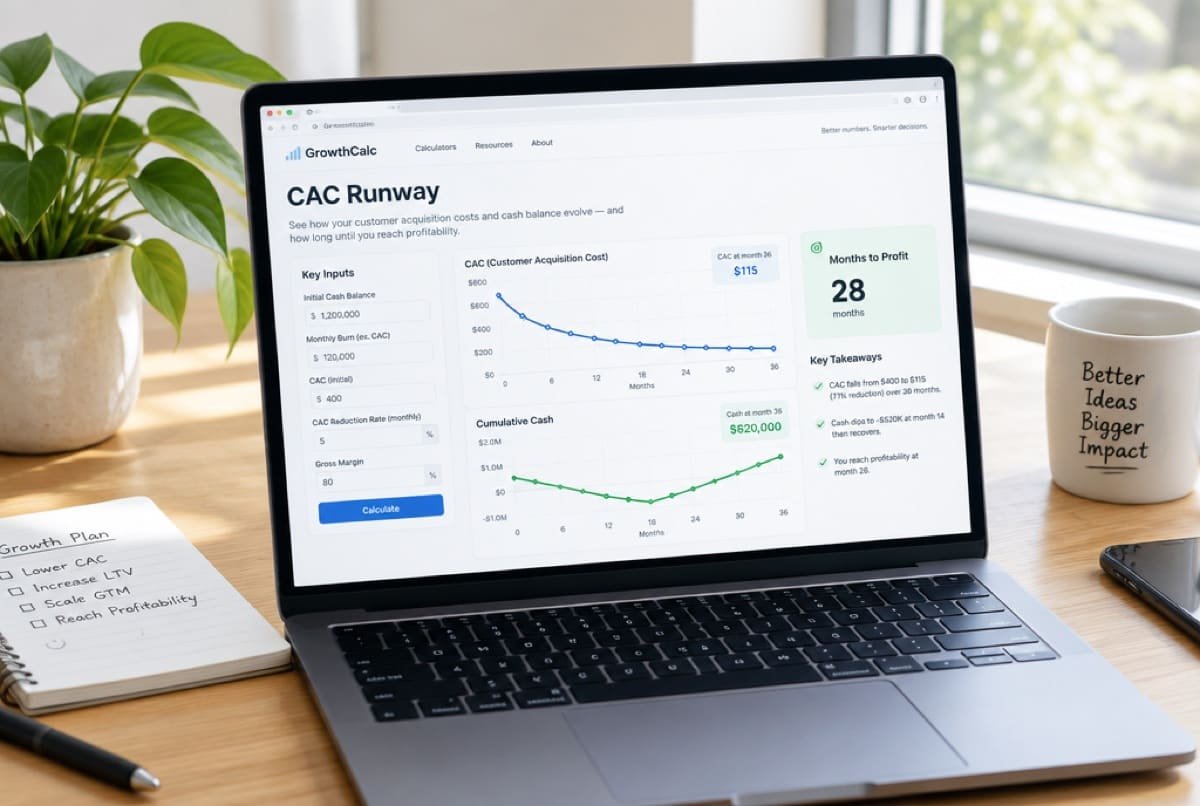 CalculatorCAC runwayHow long a new brand burns before it turns.Open the calculator
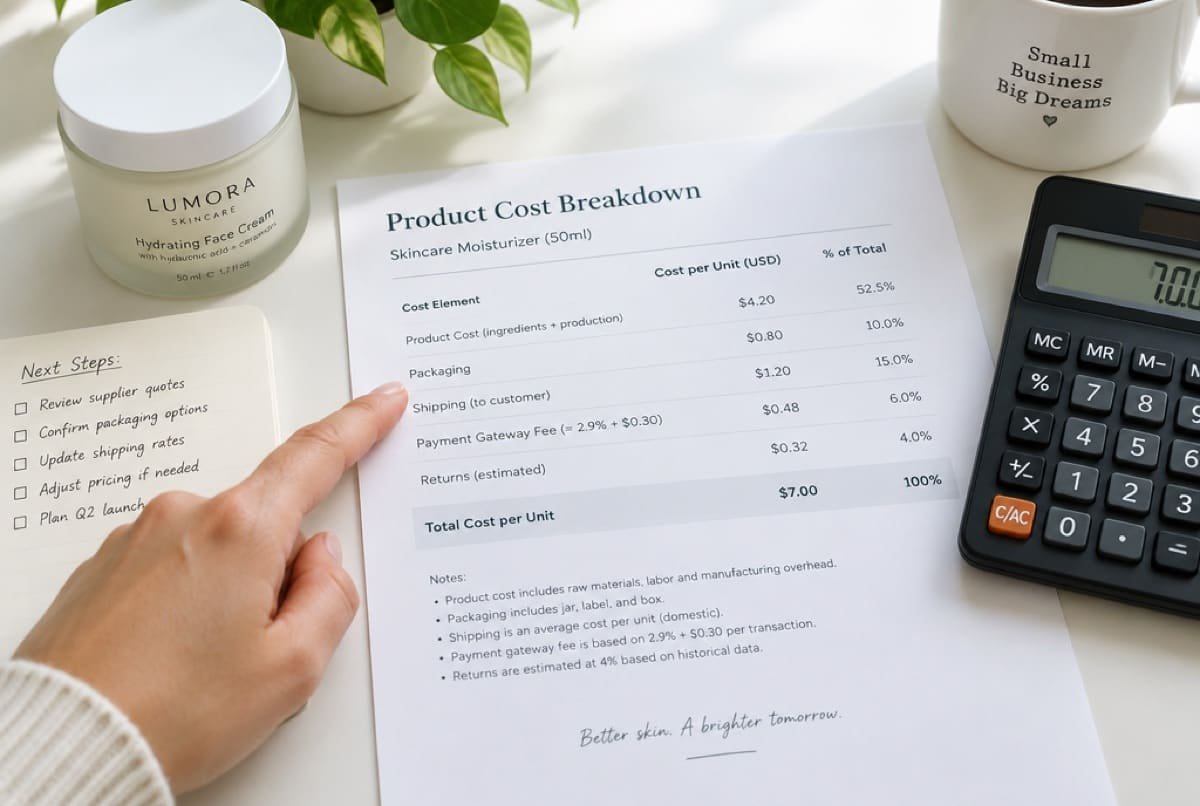 GuideContribution margin and break-even ROASWhat one order leaves behind after product, shipping, fees and returns, and the ROAS a campaign must beat to break even. Includes a calculator for your costs.Read the guide
 GuideWhy ad dashboards over-count salesMeta, Google and your store each count their own conversions, so the totals never match. Here is why dashboards over-count and how to read results anyway.Read the guide
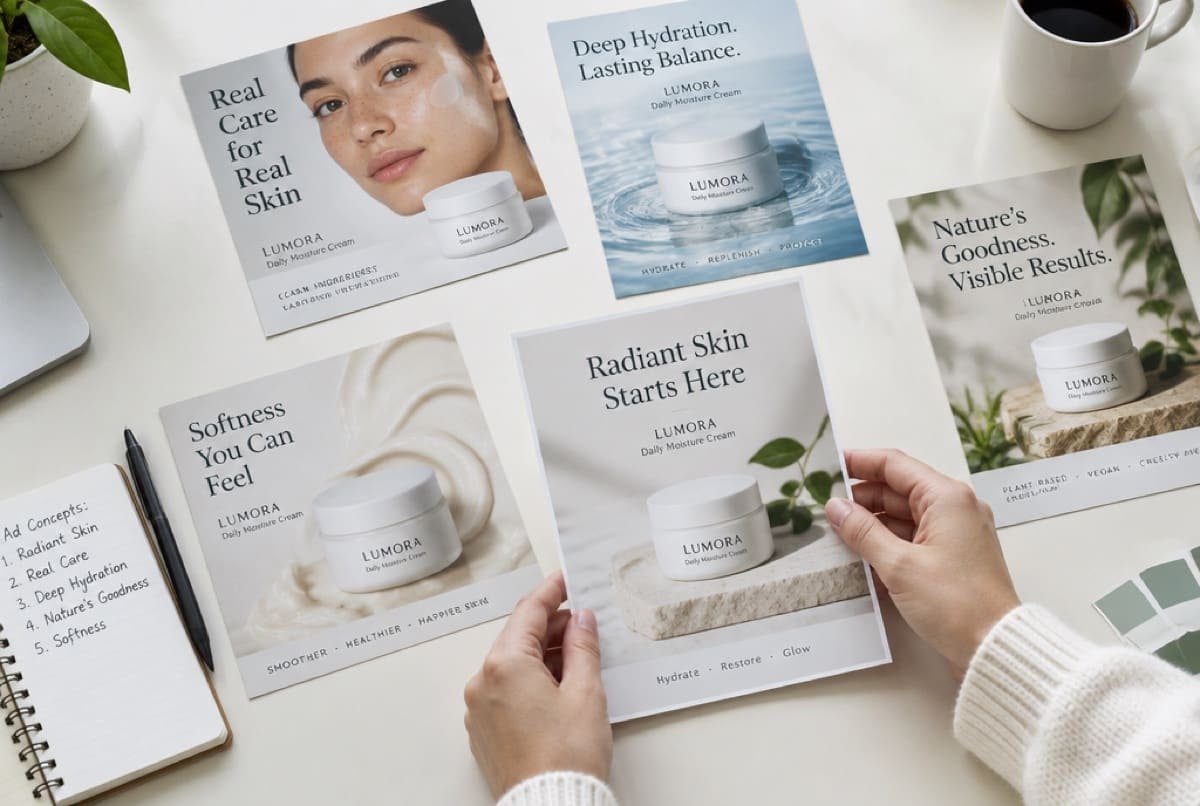 GuideHow D2C brands test ad creativeA repeatable way to test hooks and angles, read the results against your break-even ROAS and refresh creative before ads tire. Written for D2C brands.Read the guide
Ready when you are
Plan skincare marketing around margin and reorder.
On a call, with a senior strategist. We read your unit economics and say where skincare spend is likely leaking.