White-label CRO for agencies tired of sending traffic to leaks.
Research, test plans, page fixes and reporting that lift conversion on the traffic you already send.


In short
White-label CRO is conversion work that MMC carries out for your client while you present it as your own: research into where visitors drop off, a prioritised test plan, page and checkout fixes, and results reported under your brand. It helps paid and SEO clients get more from the traffic.
- Find the leak first. Research shows where visitors drop off before any page is touched.
- A plan you can present. Tests are ranked by effort and likely effect, with a reason for each.
- Losses reported too. Read-outs include the tests that did not win, and what they taught.
Read the full guide
Monday Marketing Company (MMC) delivers CRO for agencies and works behind your brand. You own the client relationship; we do the work.
How white-label CRO supports your other services
Agencies that sell ads or SEO often hit a ceiling: traffic grows but sales do not. CRO is the next service to offer, and you can start with a single audit.
The approach mirrors our own CRO service. The research feeds white-label PPC and white-label web design too.
What we handle in white-label CRO.
Research, tests and the report.
- Funnel and analytics audit. Finding where the money leaks, for you to present.
- Landing page review. A page-by-page review with fixes ranked.
- Form and checkout fixes. Fewer fields, clearer steps and fewer errors.
- A/B test design. Hypotheses, variants and a result read-out.
- Cart and checkout work. Fixes for abandonment points.
- CRO reporting. Wins, losses and learnings in your format.
Why agencies choose MMC for white-label CRO
A delivery partner that behaves like part of your team.
- Test properly. We only call a winner when the test supports it.
- Losses reported. Failed tests are recorded as learning.
- Under your brand. Deliverables and reports can carry your name and format. You decide what the client sees.
- NDA first. We sign an NDA before we see client details, and we do not approach your clients.
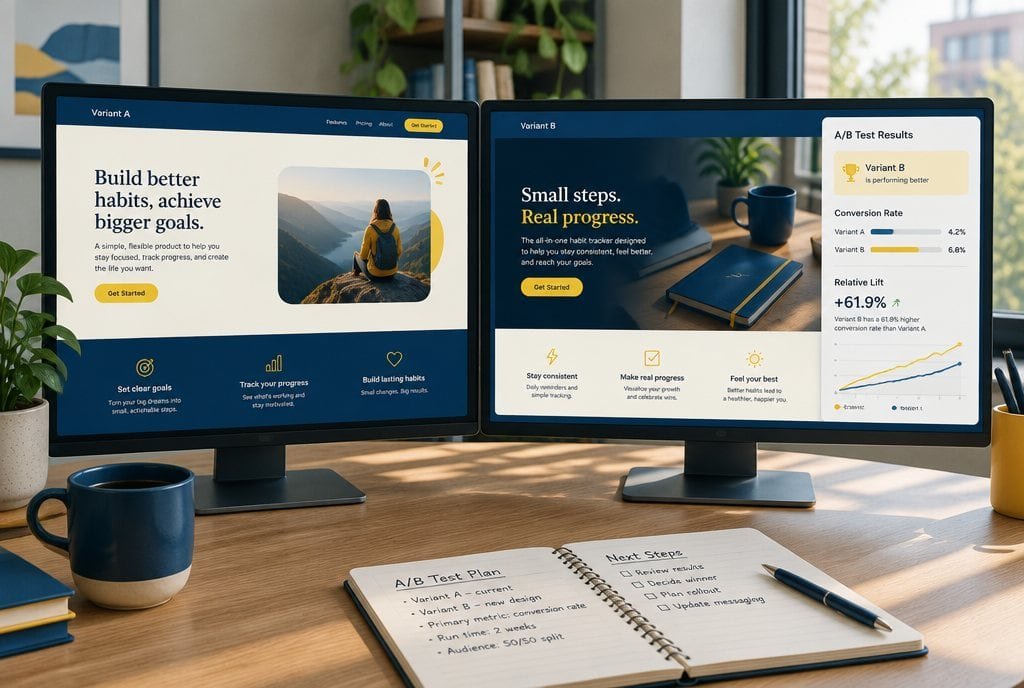
One change, one test Add to cart moves up, reviews move beside it
Variant A
Add to cartVariant B
Add to cartReviews beside itResult Run until the result is clear
The work, shown
How a test goes from idea to your client report.
- 01
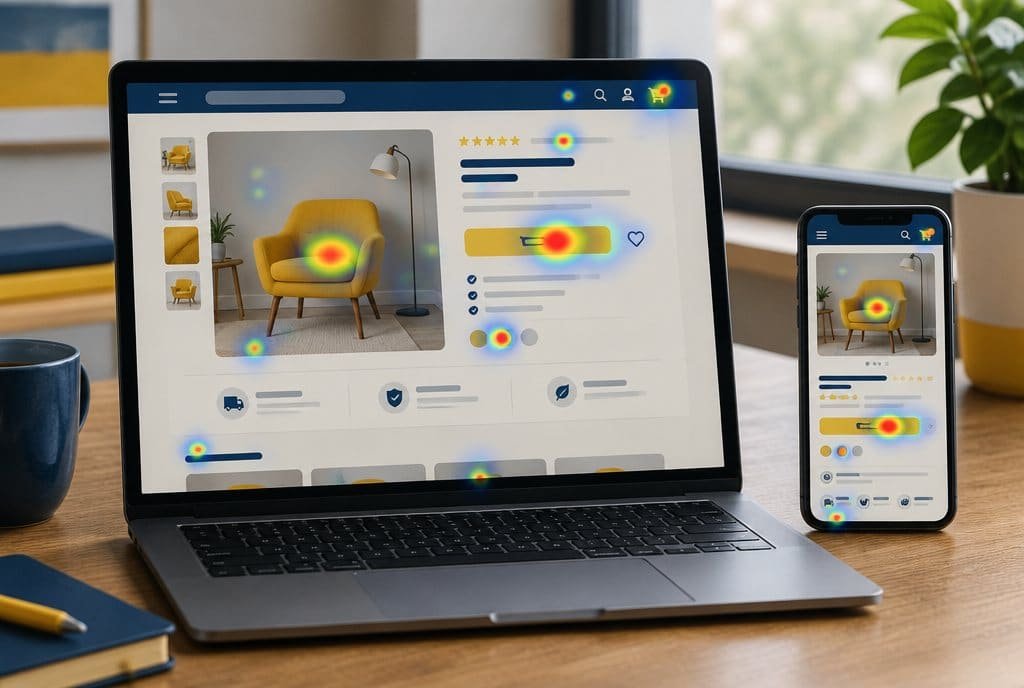
Read where visitors click on the client's page.
Click maps and analytics show what people tap, what they miss and where they stall.
- 02
Show how far visitors scroll.
Scroll maps mark where attention ends, so key proof and calls to action sit above the drop.
- 03
Write a test plan you can present.
Each idea has a hypothesis, a variant and a reason, ranked by effort and likely effect.
- 04
Report wins and losses in your format.
Results, including tests that did not win, go into a short read-out with what we learned.
Where agency delivery goes wrong
Five places white-label CRO goes wrong.
- 1
Research
Nobody reads the funnel before changing pages.
Without knowing where visitors leave, fixes land on the wrong page.
How we run it. We read the client's analytics funnel first and show you the largest drop before touching a page.
- 2
Review
The page hides delivery and returns.
A buyer who cannot see cost and terms leaves to look elsewhere.
How we run it. Page reviews rank fixes by effect, so you can tell the client what to change first.
- 3
Checkout
The add to cart step sits out of reach.
A button that is hard to find or tap costs sales on phones first.
How we run it. We check cart and checkout on phone and desktop and write each fix as a clear instruction.
- 4
Enquiry
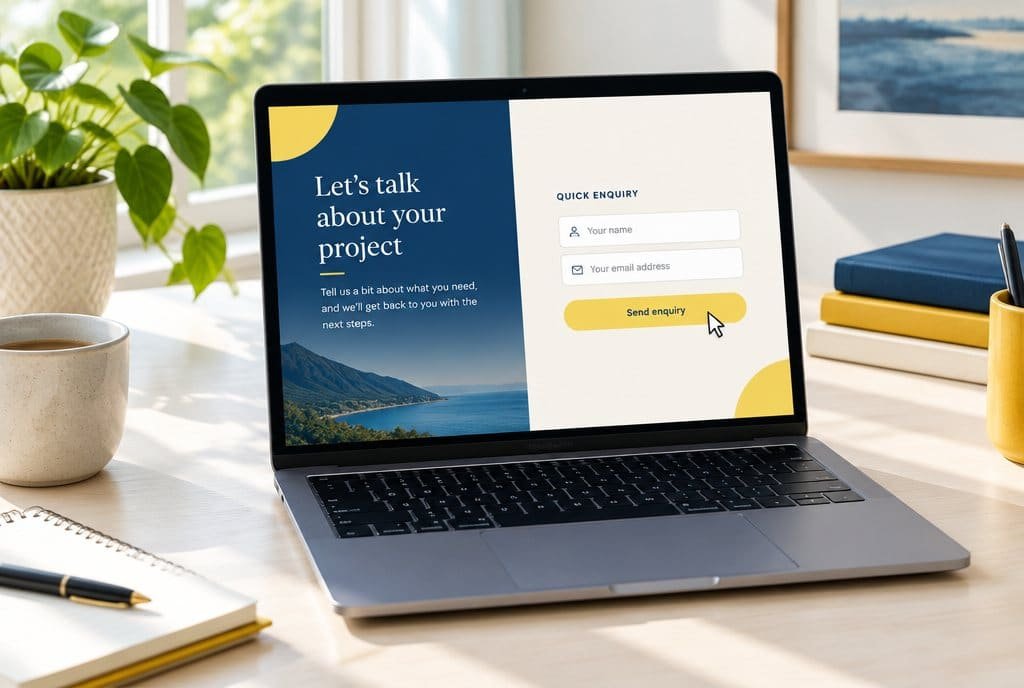
The enquiry form asks for too much.
Every extra field is another reason to stop.
How we run it. We cut fields to what sales needs and test the shorter form against the old one.
- 5
Testing
Tests run without a plan or a read-out.
A test with no hypothesis teaches nothing, and the client hears that it did not work.
How we run it. Every test starts with a written hypothesis and ends with a read-out that includes the losses.
Your onboarding
How your first CRO client gets onboarded.

Stage 1
NDA and analytics access
We sign the NDA, then get read access to the client's analytics and agree the one outcome the work is judged on.
You get: A single agreed conversion goal.

Stage 2
Pilot audit and first test
One funnel is audited and one test is planned, so you see how a read-out looks before you promise one.
You get: An audit and a test plan to present.

Stage 3
Hypothesis and test log SOPs
How ideas are written, ranked, run and logged is documented, so no test is lost or repeated.
You get: A test log your team can open.

Stage 4
Scale the test calendar
A steady calendar of tests runs on that routine, and more clients join on the same one.
You get: CRO for more clients, same routine.
The stages show the order of onboarding, not a promise of timing. The client's traffic and release process decide how long each stage takes.
White-label CRO for agencies that sell more than they can staff.
A good fit
You are an agency, studio or consultancy that sells CRO but does not want to hire and manage the team for it.
It suits digital agencies, web studios, consultancies, freelancers and in-house marketing teams.
Not a fit
You want us to pitch or contact your client under our own name.
That is our direct service. We will point you to the right page and talk through it.
Common questions
Questions about white-label CRO.
Do I need a lot of traffic?
Testing needs enough traffic to be meaningful. With less, we focus on research-led fixes rather than split tests.
Can you make the changes on the client's site?
If you give access, yes. Otherwise we hand a clear change list to your developers.
Do you guarantee a conversion lift?
No. We commit to the work in scope and report what each change did.
Which tools do you use?
Common analytics, session recording and testing tools. We agree what the client already has.
Will my client know MMC is involved?
Only if you choose to tell them. We sign an NDA, work under your brand, send deliverables in your format and do not contact your clients unless you ask us to.
How do we get started with white-label CRO?
Share analytics access for one client. After the NDA we deliver a funnel review you can use to open the CRO conversation.

Add CRO without adding headcount.
On a call, with a senior strategist. We scope your first CRO client and agree how we work behind you.
Run the numbers, read the method
Tools and guides behind the numbers.
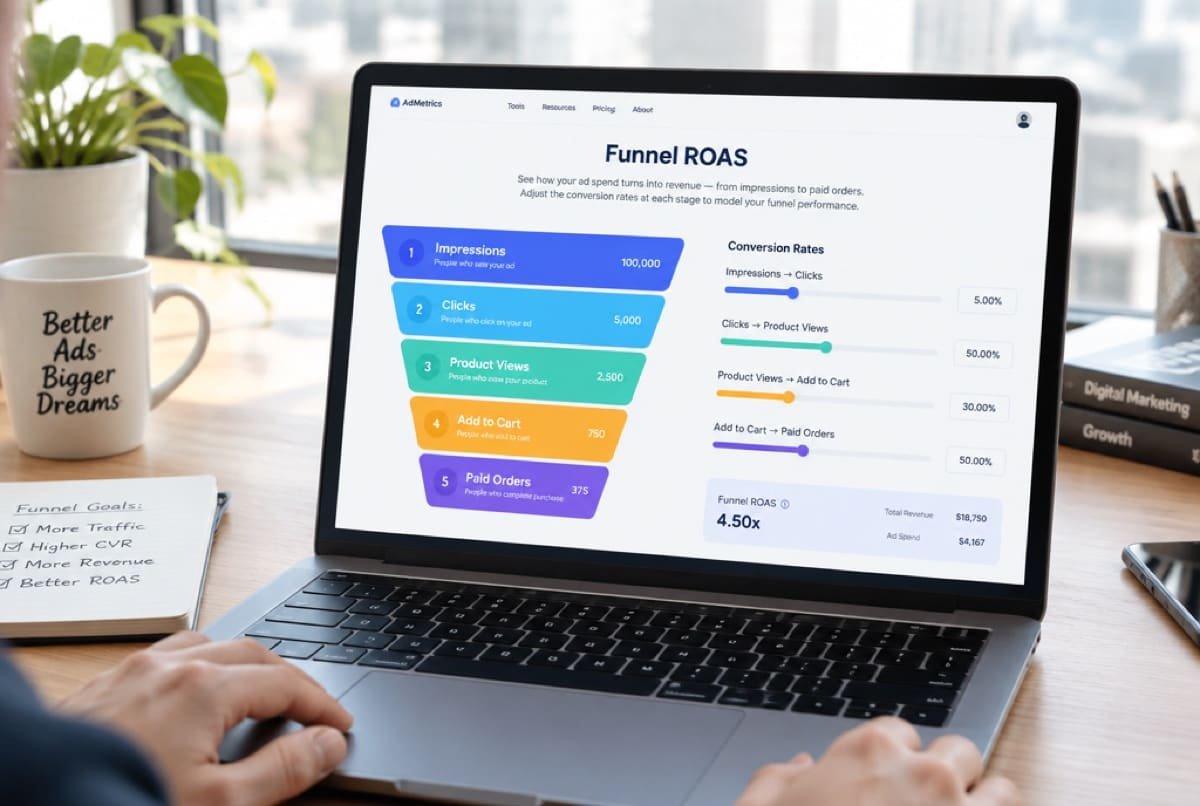 CalculatorFunnel ROASWhich step between an impression and a paid order is leaking.Open the calculator
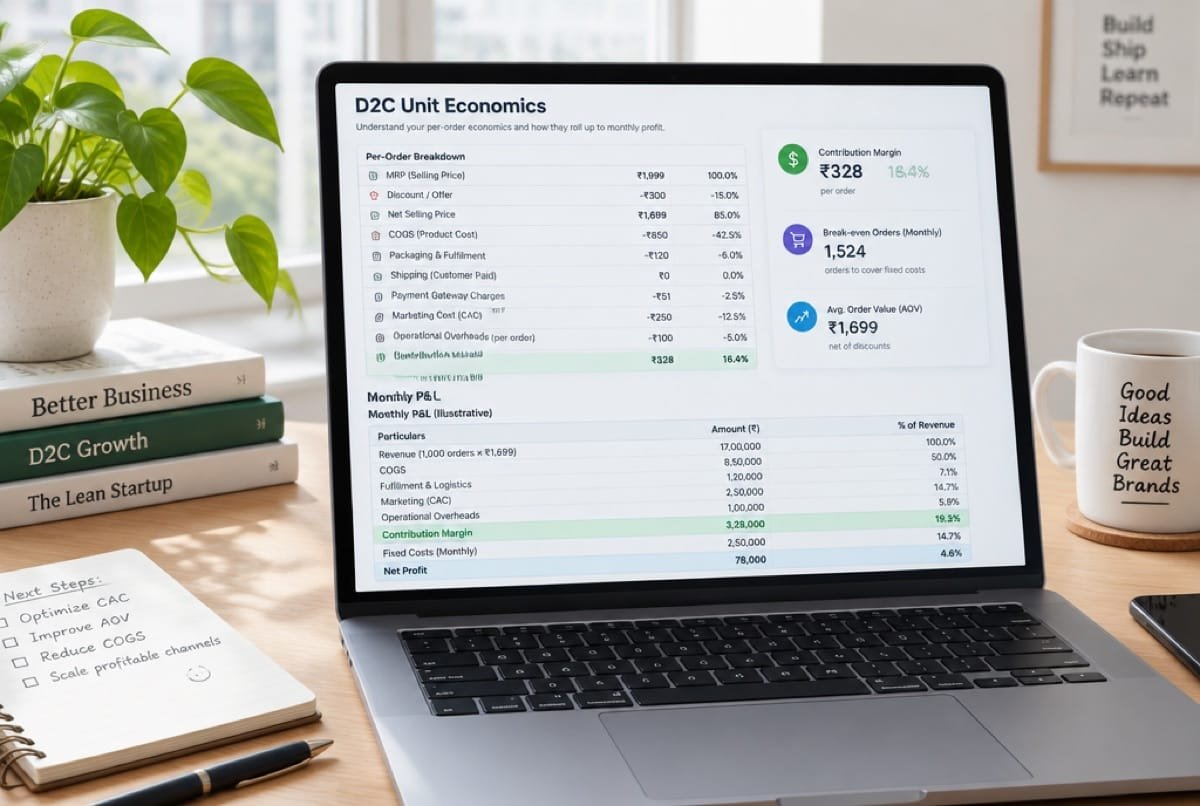 CalculatorUnit economicsWhat one order leaves behind, from CM1 to CM3.Open the calculator
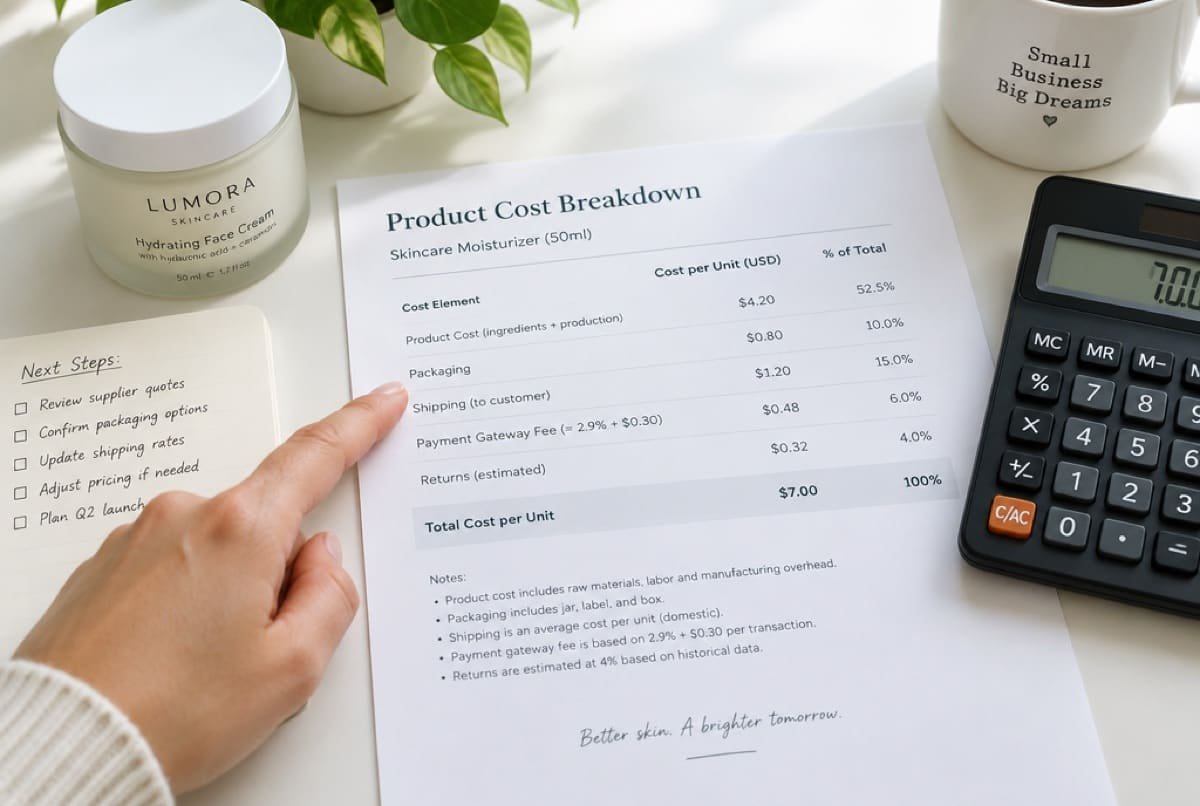 GuideContribution margin and break-even ROASWhat one order leaves behind after product, shipping, fees and returns, and the ROAS a campaign must beat to break even. Includes a calculator for your costs.Read the guide
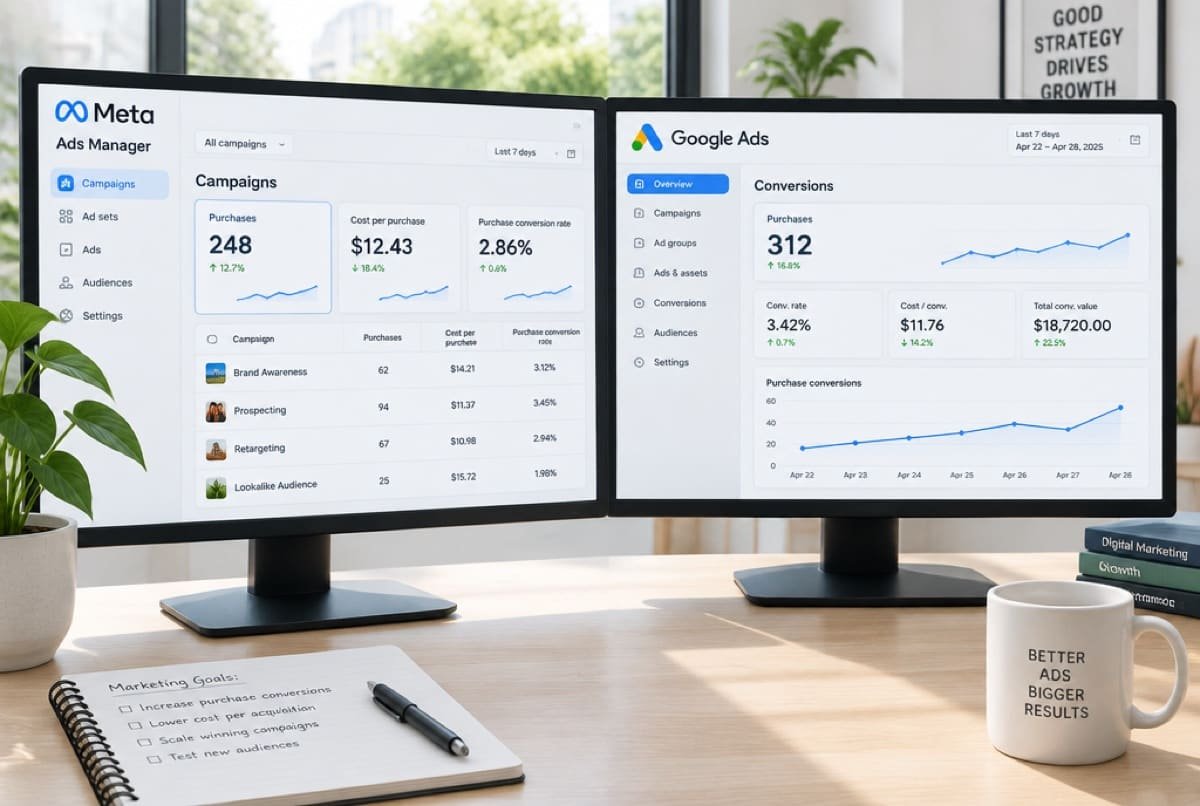 GuideWhy ad dashboards over-count salesMeta, Google and your store each count their own conversions, so the totals never match. Here is why dashboards over-count and how to read results anyway.Read the guide
Ready when you are
Add CRO without adding headcount.
On a call, with a senior strategist. We scope your first CRO client and agree how we work behind you.