White-label pricing models and how to set your margin.
Retainer, project, hour block, dedicated team and hybrid models, and how agencies mark up work for their clients.




In short
White-label pricing is set by an agreed scope under one of a few models: a monthly retainer, a fixed project fee, a block of hours, a dedicated team or a hybrid. You pay MMC for delivery and charge your client what you choose. We agree the model on a call and write the scope down.
- Five models, one scope. Retainer, project, hours, team or a mix.
- You set the client price. You pay for delivery and keep the margin.
- Written down first. Scope, changes and what is billed on top.
Read the full guide
Monday Marketing Company (MMC) agrees a pricing model with each partner agency and works behind your brand. You own the client relationship; we do the work.
White-label pricing models compared
No model is best. The right one depends on how predictable your demand is and how much flexibility you need. We do not publish prices, because the right scope varies; talk to us and we will write one down.
For context on teams, see agency outsourcing. For a packaged route see the reseller programme.
How agencies think about margin
Agencies usually price client work on value and keep a margin over the delivery cost. We do not tell you what to charge. We do help you understand effort, so your price matches the work involved.
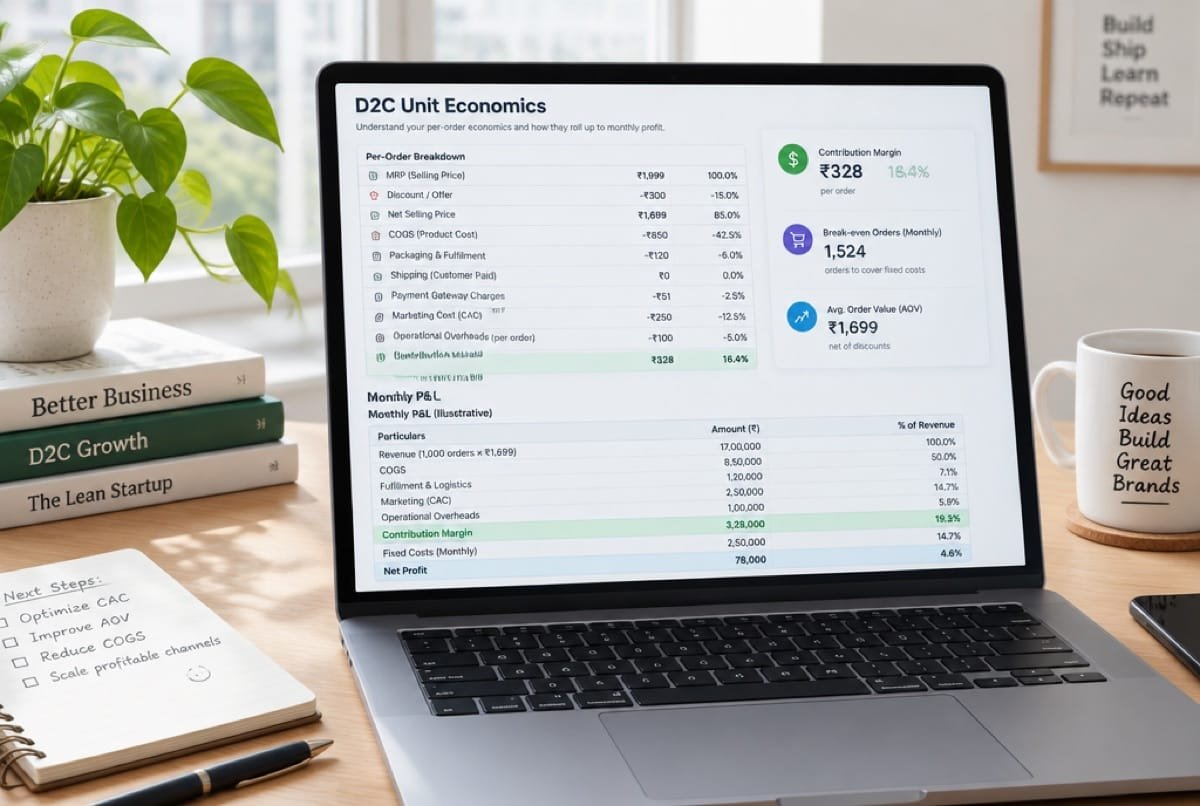
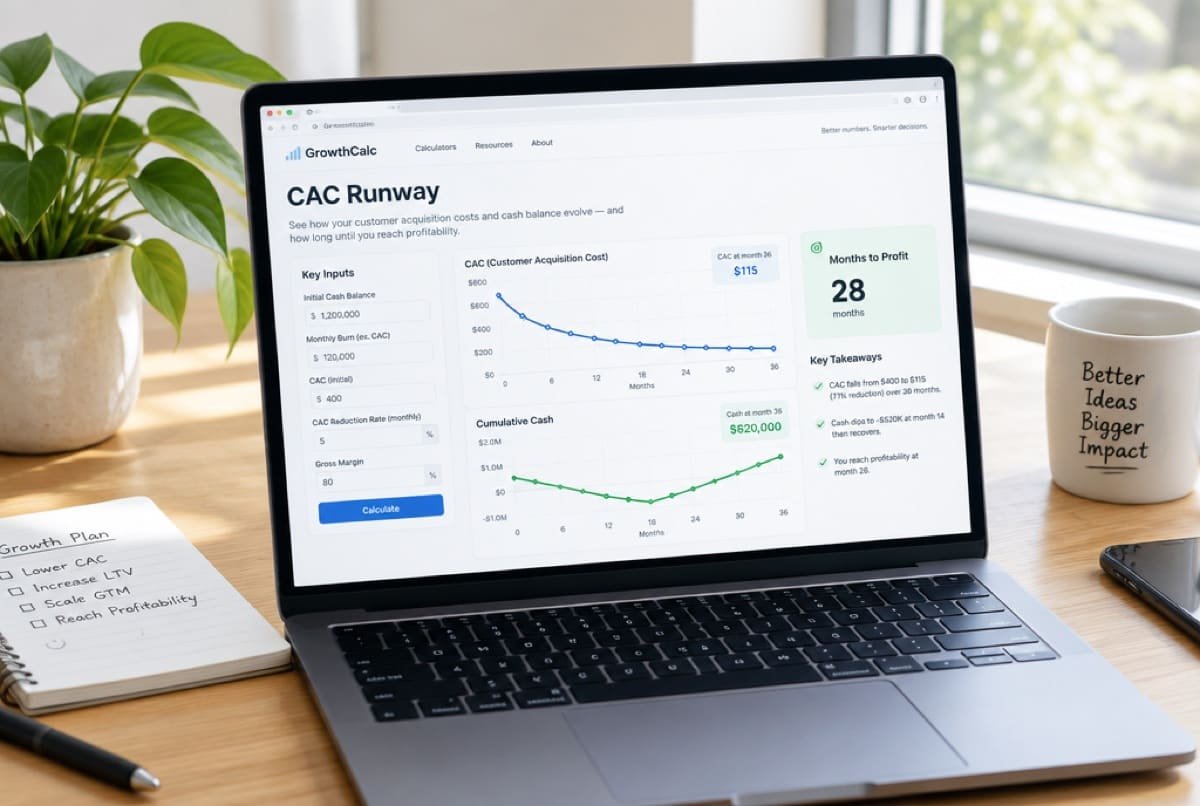
If you want to test the economics of a client engagement, our free tools and guides explain the method.
The pricing models we use.
Five ways to structure a white-label engagement.
- Retainers. A monthly scope delivered each month.
- Fixed-price projects. One scope, one price, one timeline.
- Hour blocks. Hours bought and drawn down.
- Dedicated teams. Named people on your accounts.
- Hybrid models. A retainer plus a project or hours.
- Written scopes. Every model starts with a written scope.
Why agencies pick a model with MMC
A delivery partner that behaves like part of your team.
- Scope in writing. You see what is covered before you commit.
- Flexible models. Switch models as your volume changes.
- Under your brand. Deliverables and reports can carry your name and format. You decide what the client sees.
- NDA first. We sign an NDA before we see client details, and we do not approach your clients.
Pick the model To fit how your client buys
- Monthly scope
- Repeating work
- Changes at renewal
- Written scope
- One end date
- Changes quoted first
- Named people
- Your queue
- Seats flex
Side by side No prices, only how each works
Best for
Steady monthly workA defined buildA growing bookScope
Agreed each monthWritten onceSet by your queueChanges
Move at renewalQuoted firstAdd or pause seatsThe work, shown
What we actually do to help you choose a pricing model.
- 01
Use a retainer for steady monthly work.
Repeating work gets a monthly scope, so your client pays a regular fee and you buy a regular delivery.
- 02
Use a project for a defined build.
A fixed scope with an end date suits a site or an app, and any change is quoted before it starts.
- 03
Use a dedicated team for a steady queue.
Named people work to your queue, and seats are added or paused as your workload changes.
- 04
Compare the three before you quote.
Best fit, scope and how changes work, side by side, so your quote matches how your client likes to buy.
Where it leaks
Five ways white-label pricing goes wrong for agencies.
- 1
Hourly work
Pricing outcome work by the hour.
Slow, careful work earns less than fast, careless work, and clients ask why the clock is running.
How we run it. We help you choose a model that fits the work, using hour blocks only where the task really is hourly.
- 2
Fixed fee
Selling a fixed fee with an open scope.
The client keeps asking, the fee does not change, and your margin pays for the difference.
How we run it. Fixed projects have a written scope and change rules, so anything extra is quoted before work starts.
- 3
Retainer
Offering a retainer with no deliverable list.
A client who does not know what they get each month assumes it is everything.
How we run it. We write the monthly deliverables and the review rhythm into the scope, so the retainer is easy to defend.
- 4
Pass-through costs
Forgetting costs that sit outside the fee.
Ad spend, licences and tools are real costs that someone has to carry.
How we run it. The agreement states who pays for ad spend and tools, so no cost is a surprise to you or your client.
- 5
Mark-up
Choosing a margin by instinct.
Too low and you carry the risk. Too high and a competitor wins the pitch.
How we run it. We explain delivery costs under the agreement, and you set a client price knowing your margin.
How onboarding runs
How we onboard you for pricing, step by step.

Stage 1
NDA and model choice
We sign the NDA, hear how your clients buy and propose a model for the first client.
You get: A written scope under one model.

Stage 2
Pilot under that model
One client runs under the chosen model for a defined period, and we both note what to change.
You get: A pilot you can compare with your own costs.

Stage 3
Write the SOPs
How you quote, what is billed on top and how changes are handled are written once.
You get: A quoting guide your sales team can follow.

Stage 4
Scale and mix models
More clients join, and some move to a hybrid, with the written scope kept up to date.
You get: A pricing structure that holds as you grow.
Timing depends on scope. We agree it with you before work starts.
White-label pricing models for agencies that sell more than they can staff.
A good fit
You are an agency, studio or consultancy that wants to resell delivery and needs a clear, repeatable way to price it to clients.
It suits digital agencies, web studios, consultancies, freelancers and in-house marketing teams.
Not a fit
You want us to pitch or contact your client under our own name.
That is our direct service. We will point you to the right page and talk through it.
Common questions
Questions about white-label pricing models.
Do you publish prices?
No. Prices depend on scope, so we agree them on a call and write them down.
Can I change model later?
Yes. Many agencies start with a project and move to a retainer.
Are there minimum commitments?
Terms vary by model and are stated in the scope.
Who pays for ad spend and tools?
Ad spend is paid to platforms by the client. Tool costs are agreed in the scope.
Will my client know MMC is involved?
Only if you choose to tell them. We sign an NDA, work under your brand, send deliverables in your format and do not contact your clients unless you ask us to.
How do we get started with white-label pricing models?
Tell us your services and volume. After the NDA we recommend a model on a call and put the scope in writing.

Choose a pricing model that keeps your margin clear.
On a call, with a senior strategist. We look at how your clients buy, recommend a model and agree how we work behind you.
Run the numbers, read the method
Tools and guides behind the numbers.
 Calculator
Ready when you are
Choose a pricing model that keeps your margin clear.
On a call, with a senior strategist. We look at how your clients buy, recommend a model and agree how we work behind you.