Branding that makes you memorable.
Positioning, naming, logo, voice and guidelines built from a clear idea, so every touchpoint looks and sounds like the same brand.

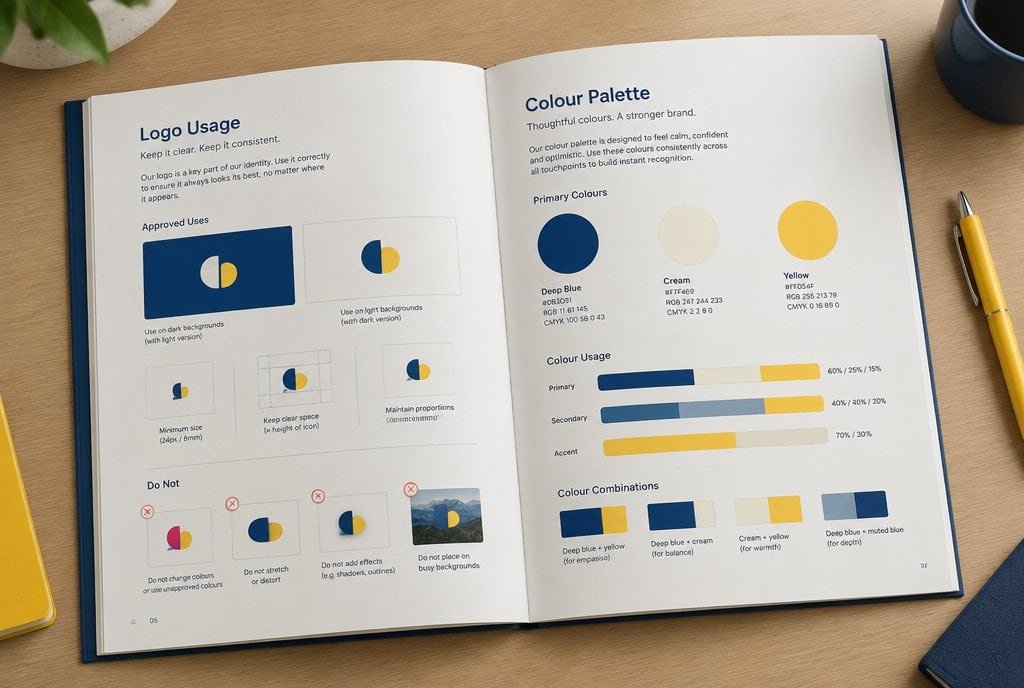
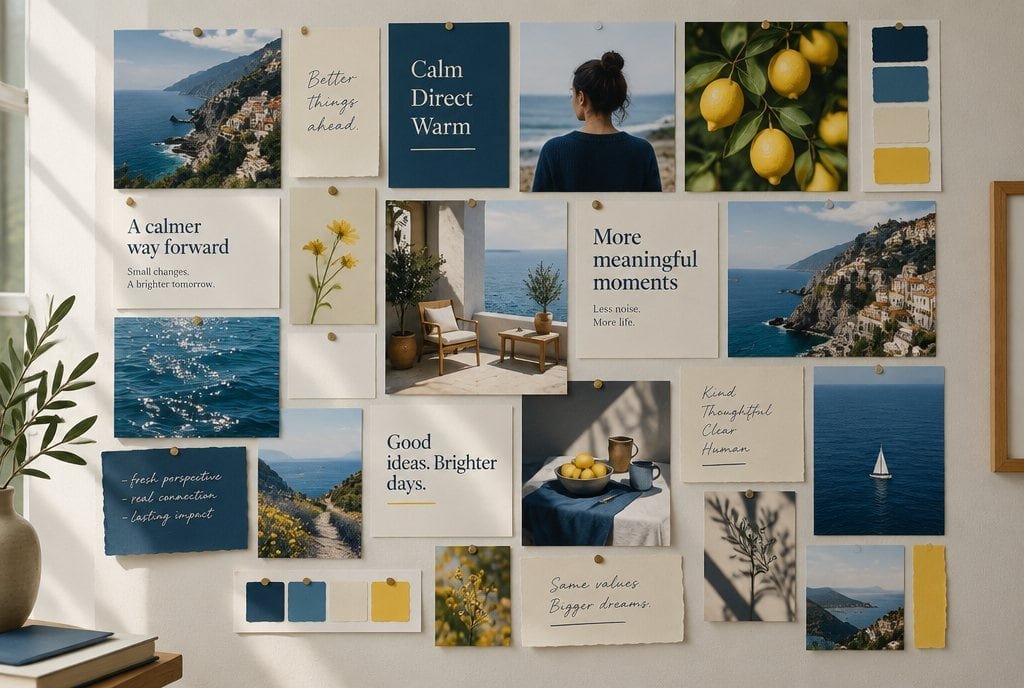
In short
Branding is the work of deciding who your brand is for and what it stands for, then giving it a name, a look and a voice that people recognise everywhere they meet it. MMC does this for D2C, B2B and education brands: position first, then naming, identity and guidelines. It is judged on clarity and consistency.
- Position first. Audience and promise before design.
- A full identity. Name, mark, colour, type, voice.
- A system that lasts. Guidelines and templates.
Read the full guide
Monday Marketing Company (MMC) builds brand identity for D2C, B2B and education brands, from positioning to guidelines.
What a brand project covers.
Six pieces that make a brand clear, distinct and easy to keep consistent.
- Positioning. Who the brand is for, what it stands for and how it differs from others on the shelf or in search.
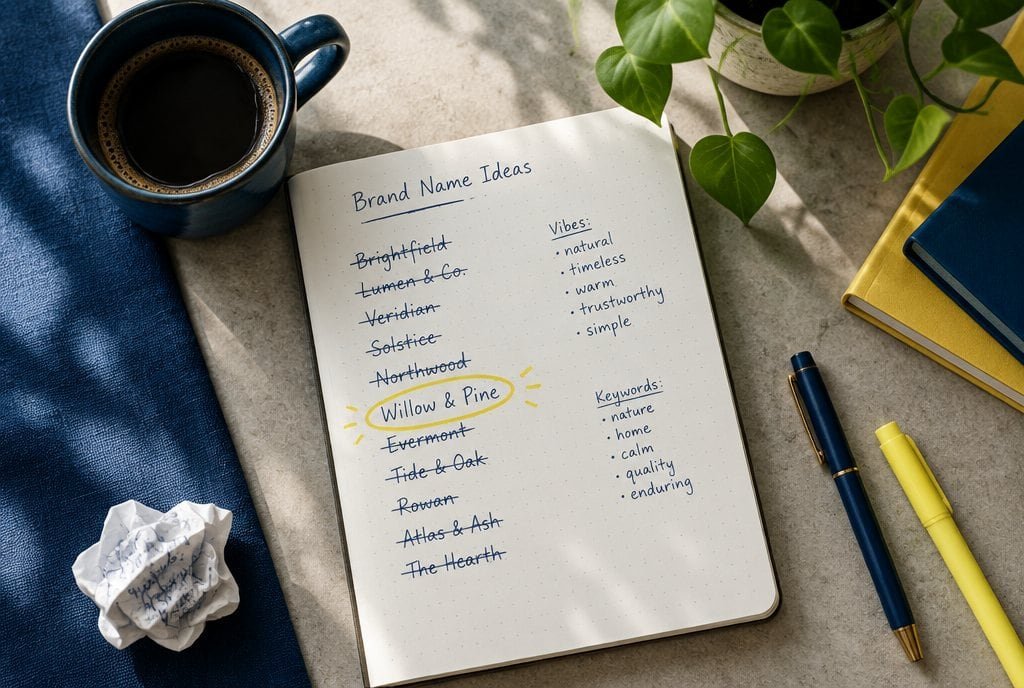
- Naming. Names tested for sound, meaning, spelling and availability.
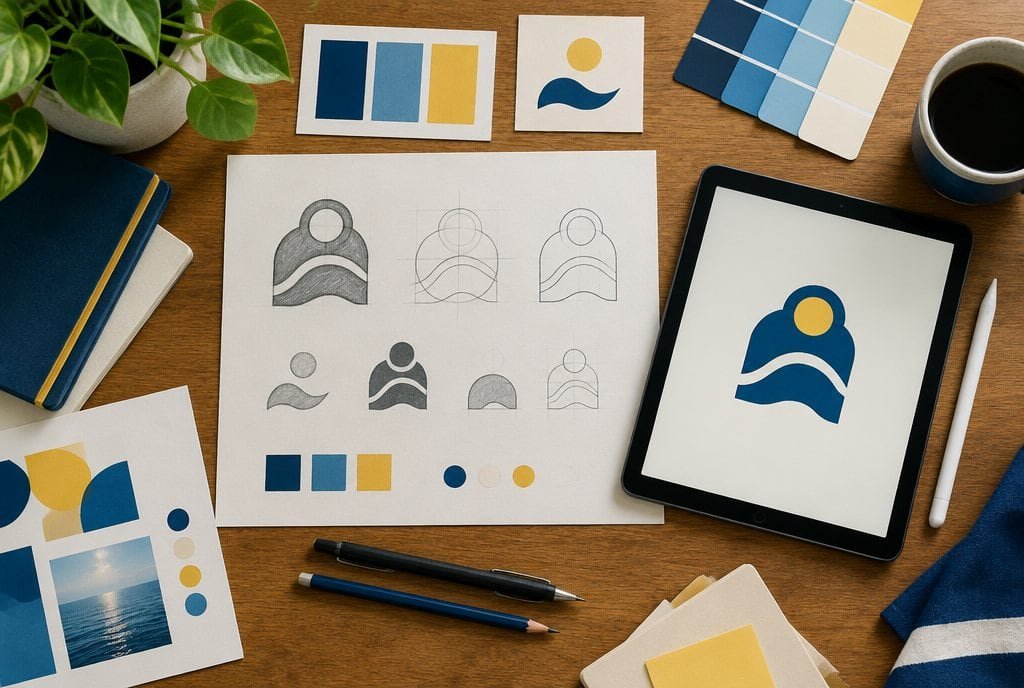
- Logo and identity. A mark, colour and type system that works from an app icon to a hoarding.
- Brand voice. How the brand writes and speaks, with examples for ads, emails and the website.
- Brand guidelines. A short, usable guide so every team and vendor applies the brand the same way.
- Launch assets. Social, packaging and web applications that put the new identity into use.
Why brands choose MMC for this
Our branding is made to perform in ads, on shelves and on screens.
- Strategy first. Positioning decisions come before any design, so the identity has a reason.
- Designed to be used. We test the identity in ads, packaging and web layouts before it is final.
- Fits any audience. D2C brands, B2B companies and educational institutes each need a different tone.
- Handover that lasts. Guidelines and files are organised so your team can keep going without us.
Position Decided before anything is drawn
Who it is for
What it promises
Not like
Positioning line
Every choice is checked against thisName and message Tested for meaning, sound and market
- Name option oneTested
- Name option twoTested
- Name option threeSelected
- Name option fourTested
Message
Identity Mark, colour and type designed together
Mark
Colour
Type
AaGuidelines Ready to use, easy to keep
- Social post
- Letterhead
- Pack label
- Do Keep clear space around the mark
- Don't Recolour outside the palette
The work, shown
How a brand gets built, step by step.
- 01
Write the position before drawing anything.
Audience, promise and competitors are settled, and every later choice is checked against one line.
- 02
Test names for meaning, sound and market.
Options are checked for availability and for how they read where you sell.
- 03
Design mark, colour and type together.
One identity system that stands apart from the category, not a lone logo.
- 04
Hand over guidelines and templates.
Rules and ready files for each place the brand appears, so any team keeps it consistent.
Where it leaks
Five ways a brand goes wrong.
- 1
Brand strategy
Designing a logo before deciding what the brand stands for.
A logo cannot fix an unclear idea. Without a position, every later choice is a matter of taste.
How we run it. We start with audience, promise and competitors, and write a clear position that every later decision can be checked against.
- 2
Naming and messaging
Choosing a name because it is available.
A name is used in every conversation. It needs to be easy to say, spell and remember, and not confuse a buyer.
How we run it. We generate and test name options against meaning, sound, availability and how they read in your markets.
- 3
Logo, colour and type
Copying a category look so you blend in.
If your brand looks like every other brand in the category, buyers cannot tell you apart.
How we run it. We design a logo, colour and typography that fit your position and stand apart from the category.
- 4
Tone of voice and messaging
Writing every message in a different tone.
Inconsistent words make a brand feel less trustworthy, however good the design is.
How we run it. We define how the brand speaks, with examples for headlines, ads, emails and support, so anyone can write in its voice.
- 5
Guidelines and rollout
Handing over a logo file and nothing else.
Without rules and templates, the brand drifts as more people and agencies touch it.
How we run it. We deliver guidelines and ready-to-use templates for the places the brand appears, and help you roll them out.
Selected work
A few of the brands we work with.
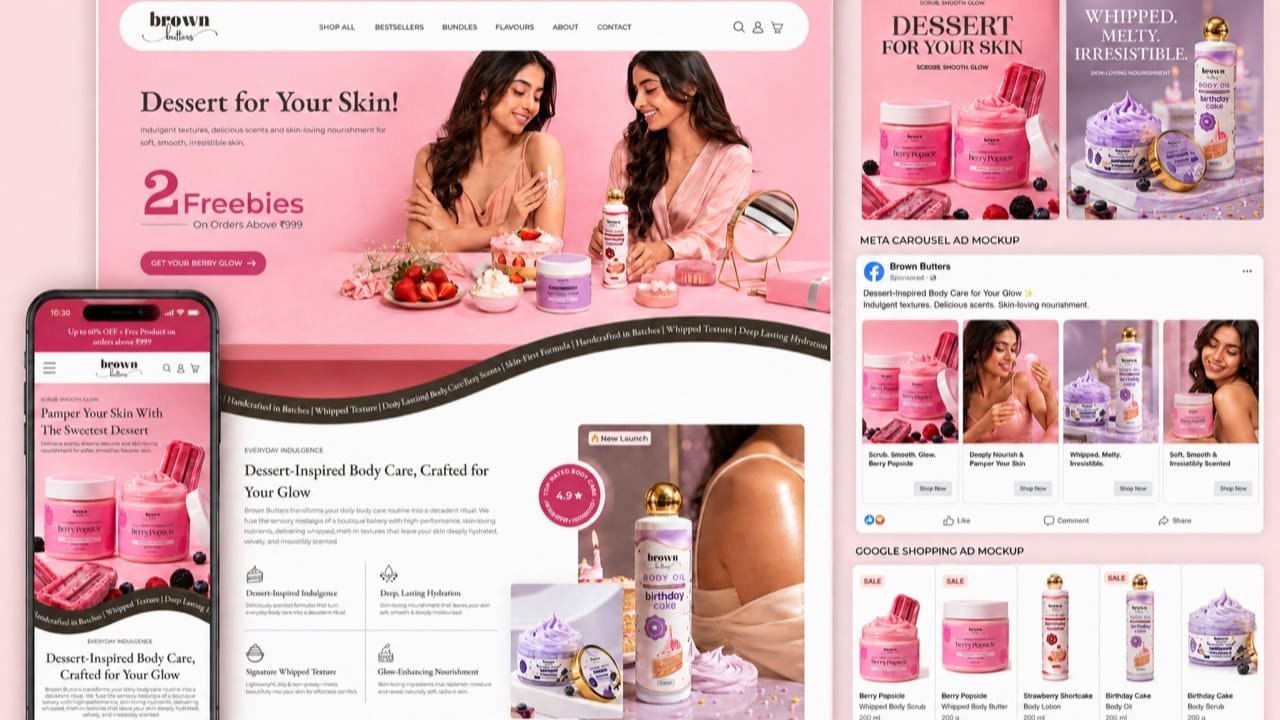
 Body care: a website and performance creative on one look.See the work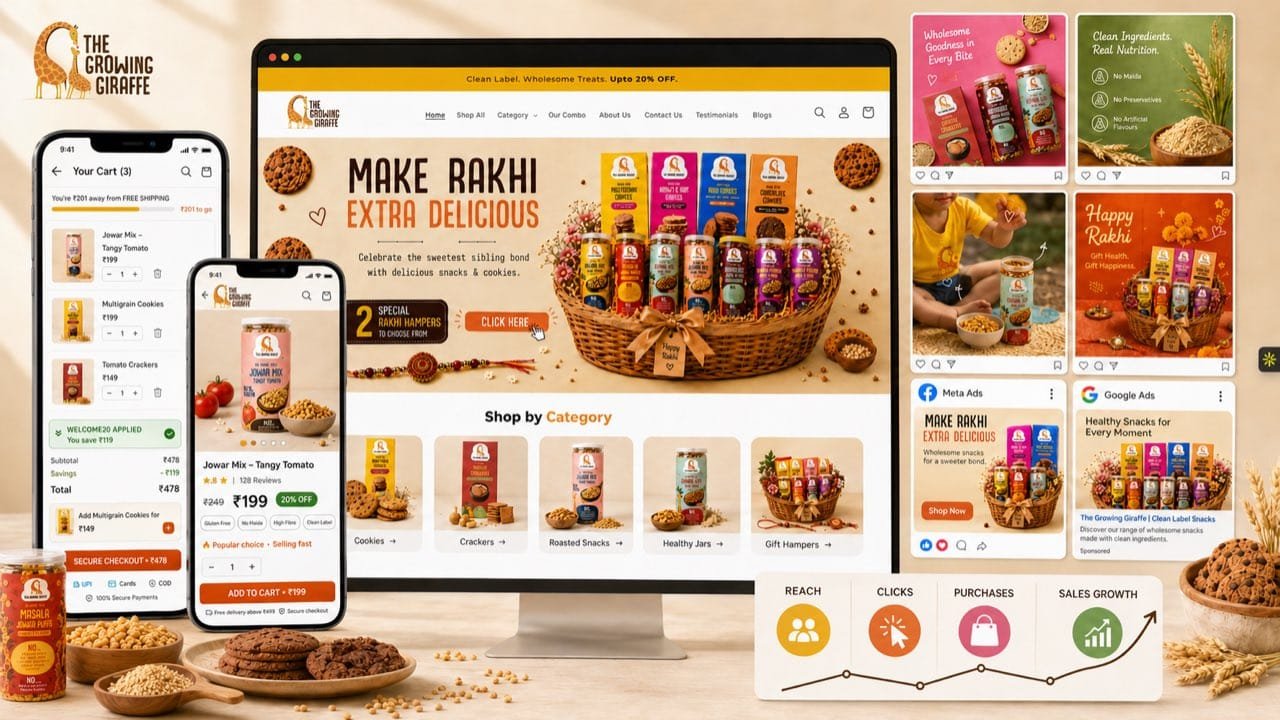
 Gifting: a site, ads and creative across one brand.See the work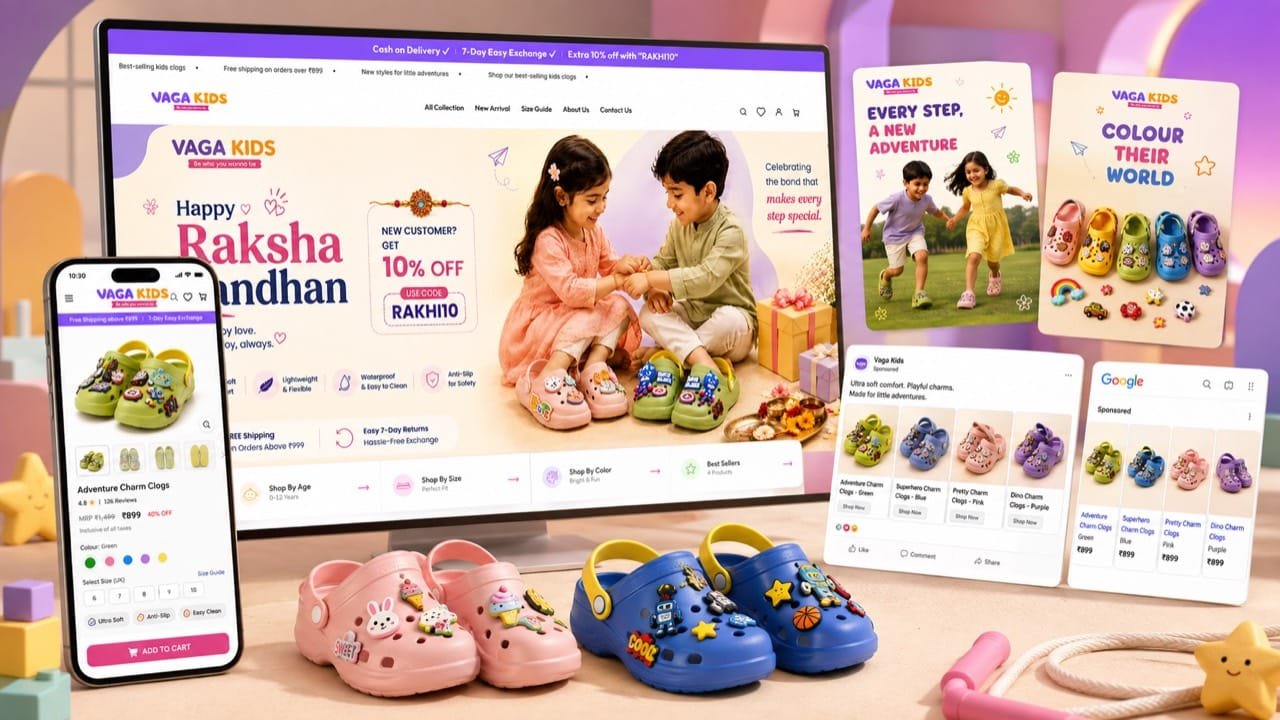
 Kids' products: a storefront and ad creative for a kids' brand.See the work
A few more. Hover or tap a logo.
What we read
- Positioning
- Who the brand is for and what it stands for.
- Identity
- Name, logo, colour and typography.
- Voice
- How the brand speaks, with examples.
- Guidelines
- Rules and templates that keep it consistent.
The deliverables, in the order we build them.
Your first 90 days
How we build a brand, week to week.
Days 1 to 30
Decide who you are for
Audience, promise and competitors are settled first, and written down.
You get: A written position.
Days 31 to 60
Name and shape the idea
Naming and messaging are tested against meaning, sound and your markets.
You get: A name and message that fit.
Days 31 to 60
Design the identity
Logo, colour, type and voice are designed together.
You get: An identity system, not a lone logo.
Days 61 to 90
Hand over guidelines
Guidelines and templates for every place the brand appears.
You get: A kit your team can use.
Timing depends on scope. We agree it with you before work starts.
Branding for businesses ready to decide who they are.
A good fit
You have a product or service that works and a brand that does not yet show it.
D2C brands standing out on a crowded shelf, B2B firms that look smaller than they are, and schools that want a calm, credible face all gain.
Not a fit
You are pre-revenue and want brand building on a very small monthly budget.
A real brand needs research and craft, and early on that money does more in testing the product.
Common questions
Questions about branding.
What is branding?
Branding is the work of deciding who your brand is for and what it stands for, then giving it a name, a look and a voice that people recognise wherever they meet it.
How does branding work with MMC?
We settle the position first, then naming and messaging, then the identity and voice, and finish with guidelines and templates your team can use.
What does branding cost?
We quote per project, after a call, once the scope is clear: what you need, how much of it, and what it has to connect to. The scope and the fee are agreed in writing before work starts.
Do you guarantee results?
No. Nobody can guarantee how a market will respond to a brand. We commit to a clear position, a coherent identity and honest advice, including telling you when an idea is not strong enough.
Who is branding for?
Founders and teams who want a brand that is clear and consistent. Not only D2C. We work with D2C, B2B and education brands, and set the work up differently for each: D2C on standing out on shelf and screen, B2B on looking as credible as the business is, education on a calm, trusted face for families.
What do you need from us?
Your story and goals, what you know about your buyers, examples you like and dislike, and one decision-maker for each stage.

Find what your brand should stand for.
On a call, with a senior strategist. We look at your brand and your market together.
Run the numbers, read the method
Tools and guides behind the numbers.
 Guide
GuideReady when you are
Find what your brand should stand for.
On a call, with a senior strategist. We look at your brand and your market together.